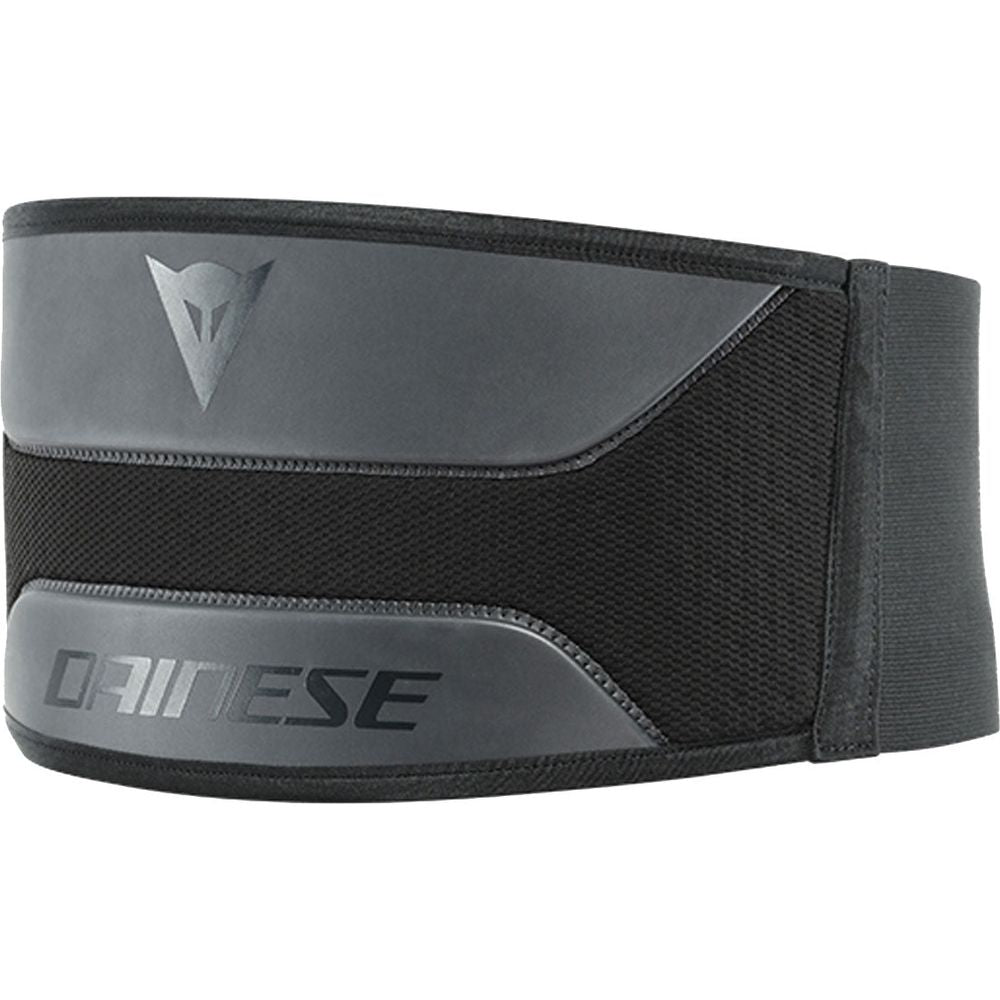
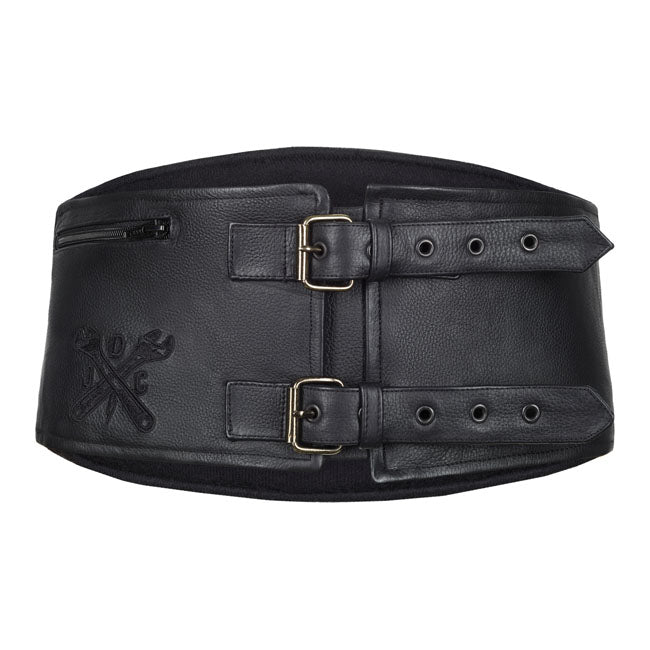
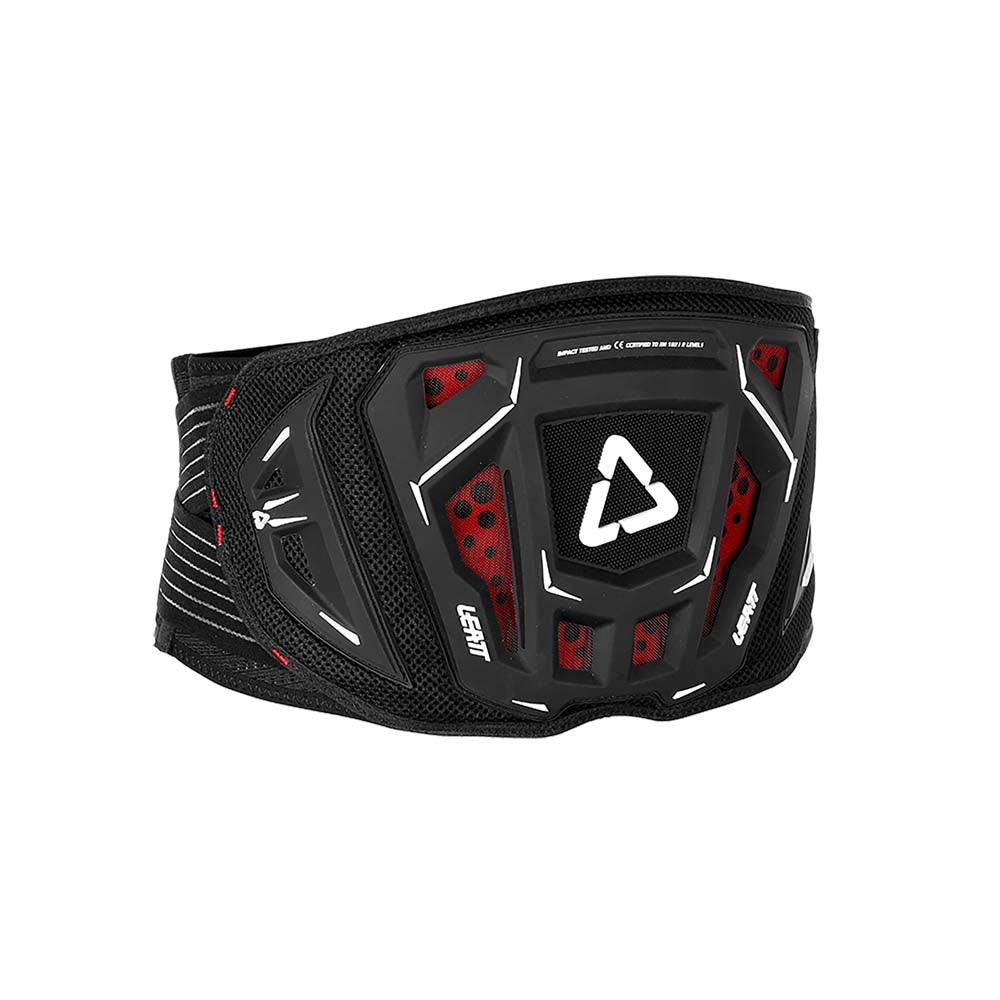
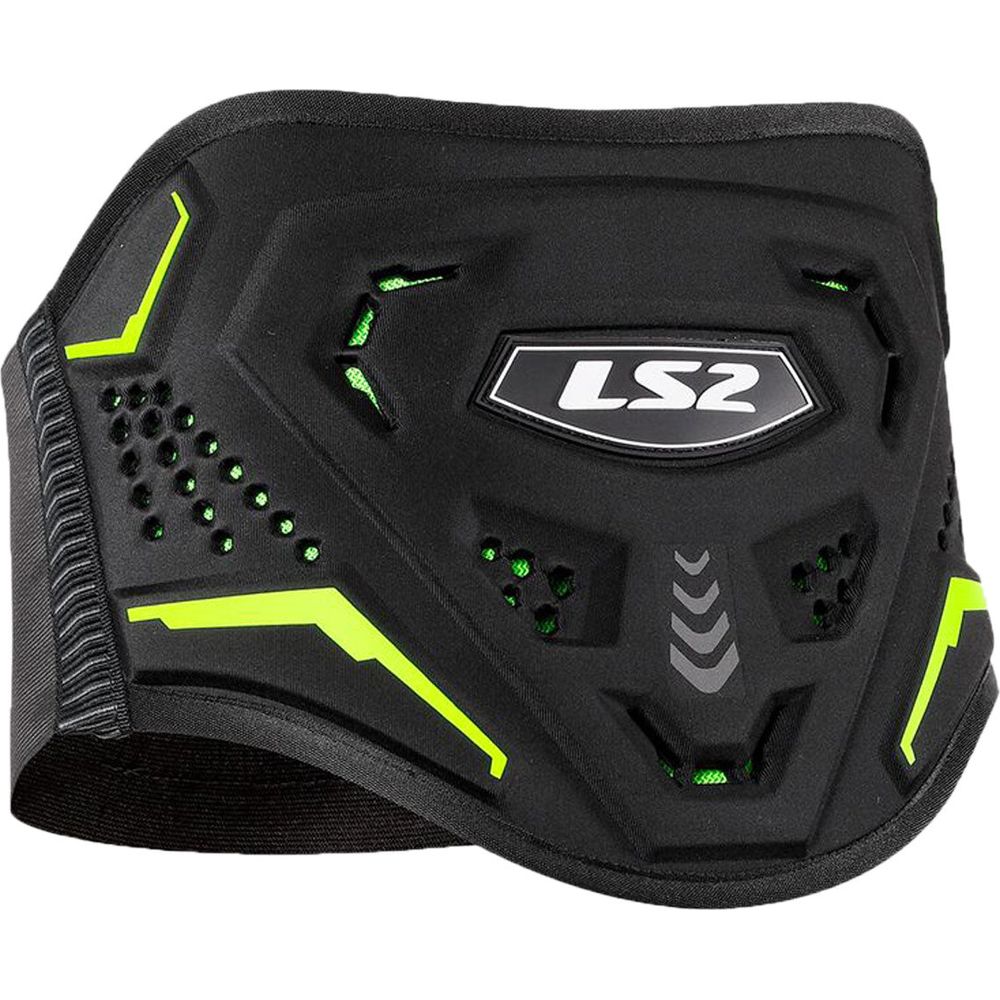
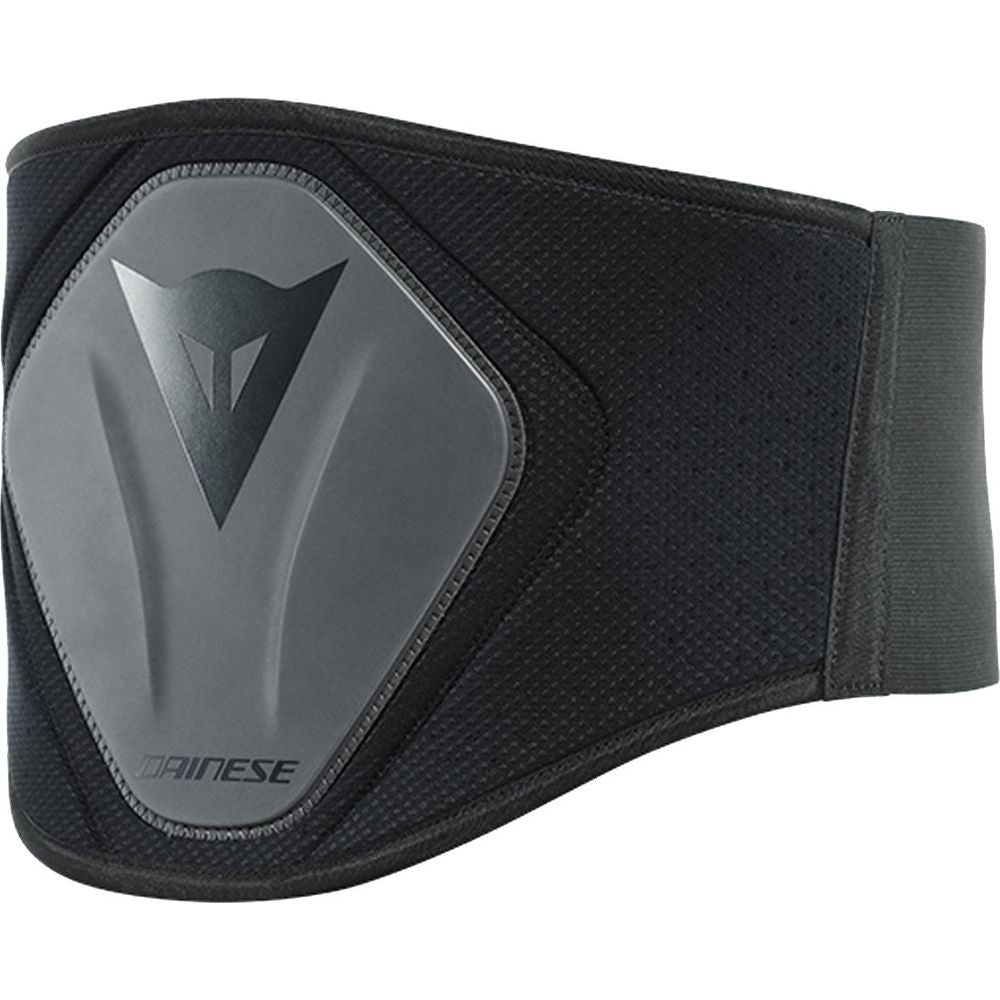
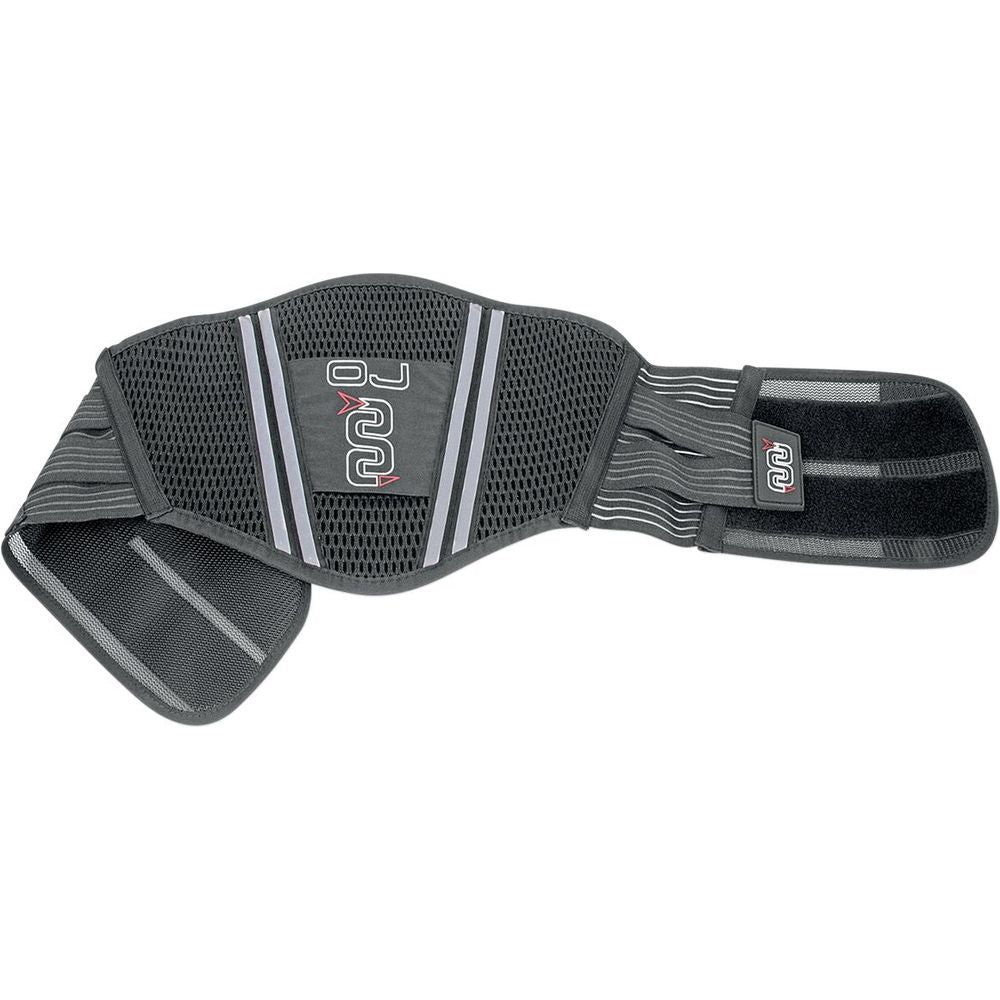
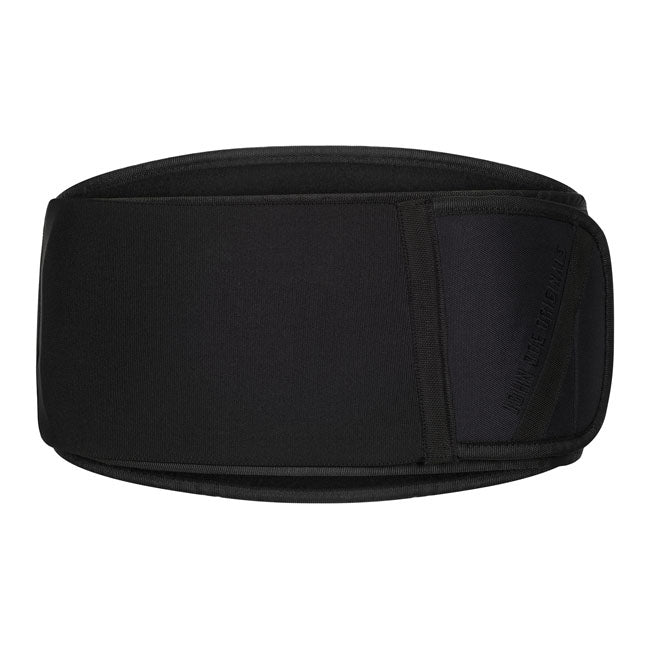
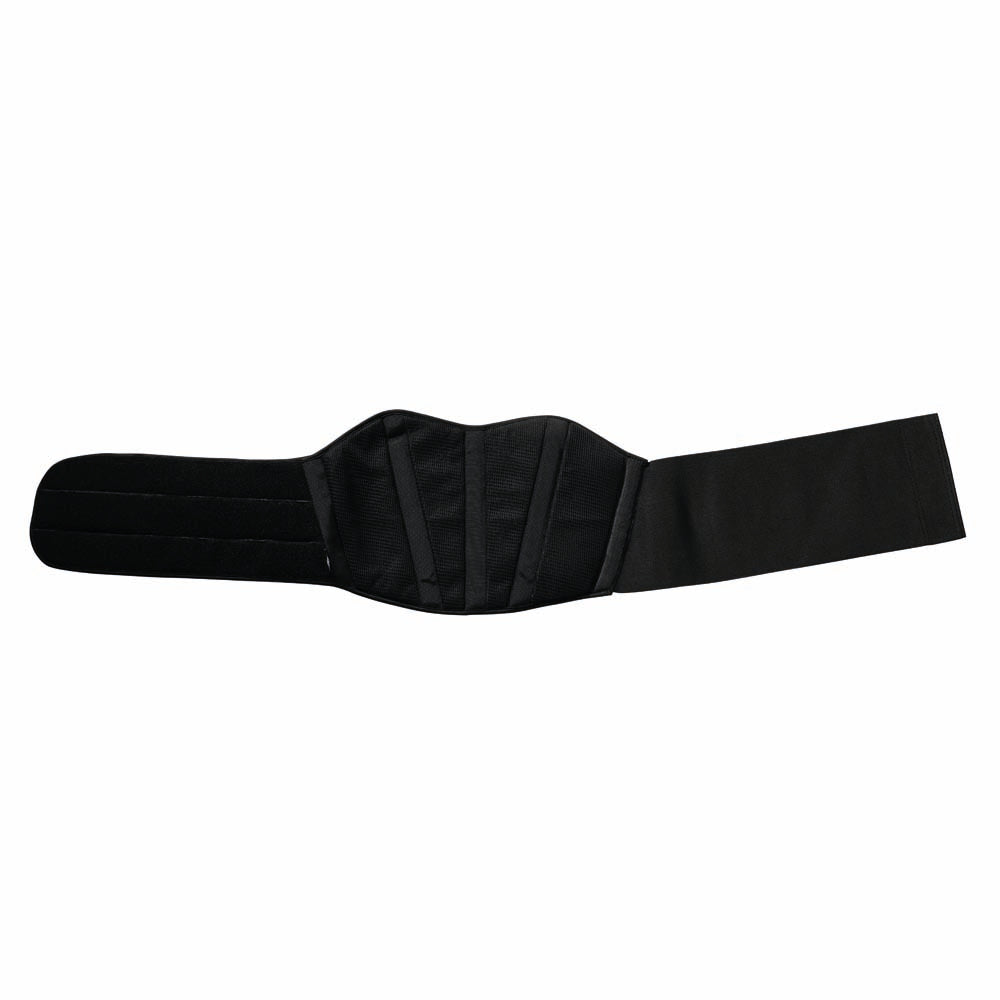
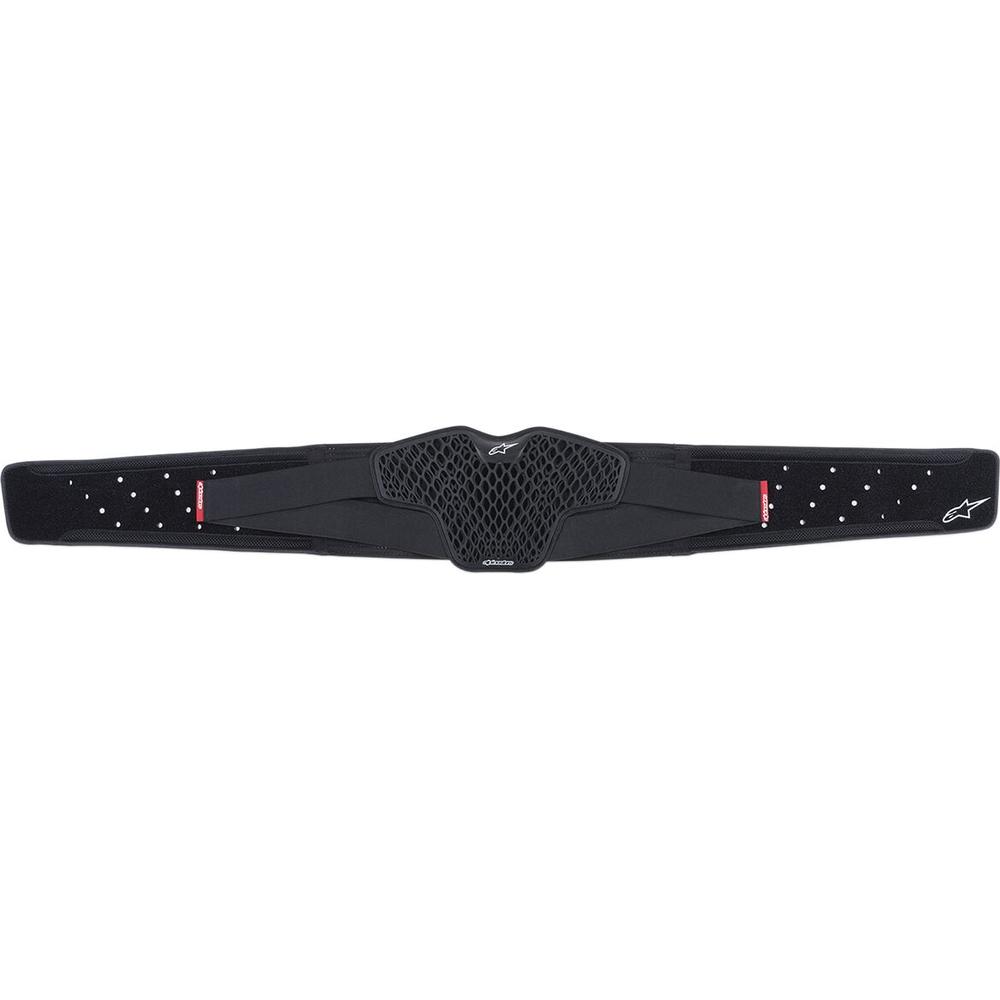
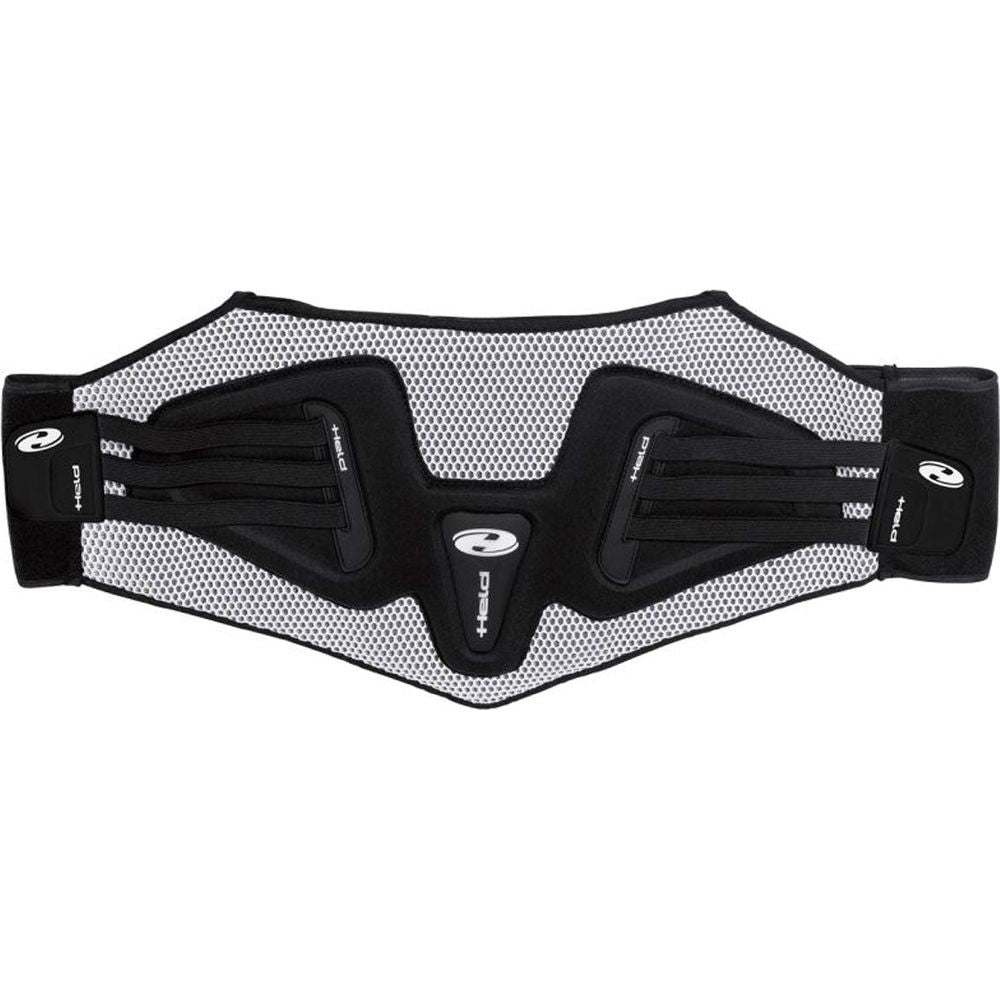
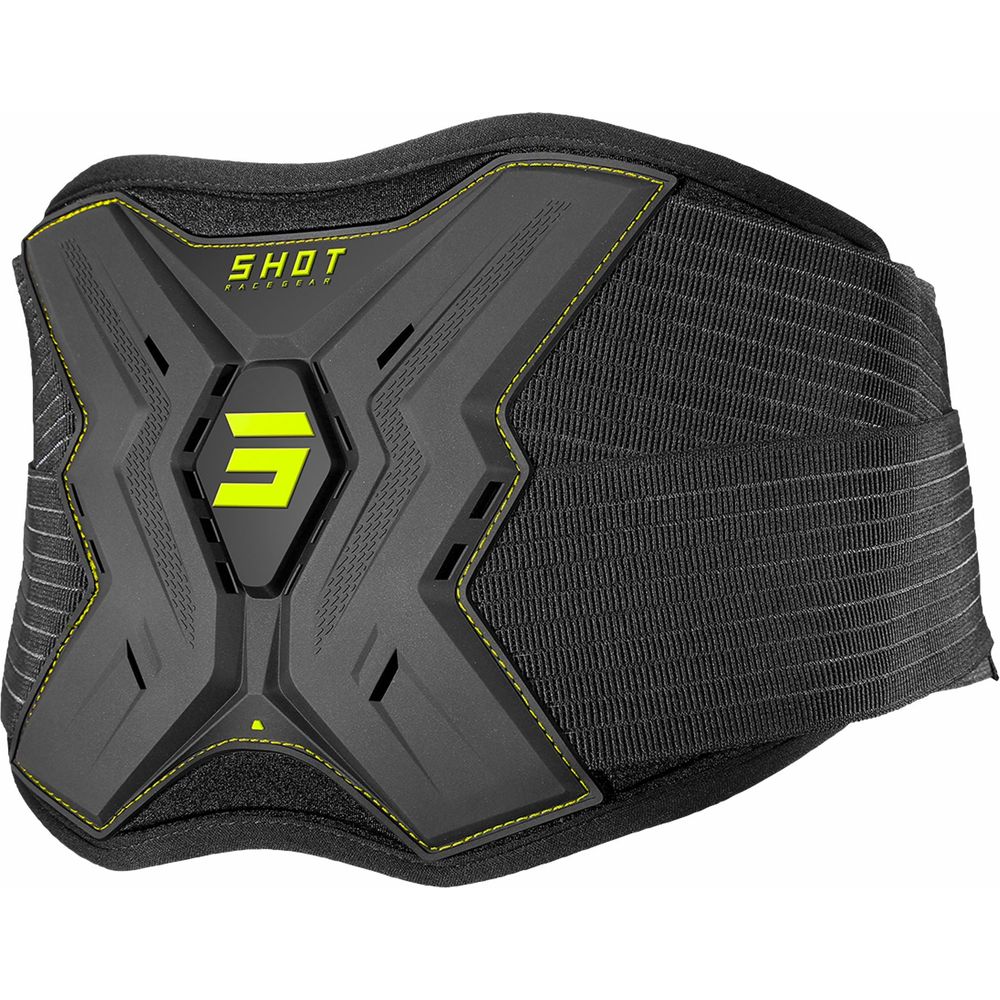
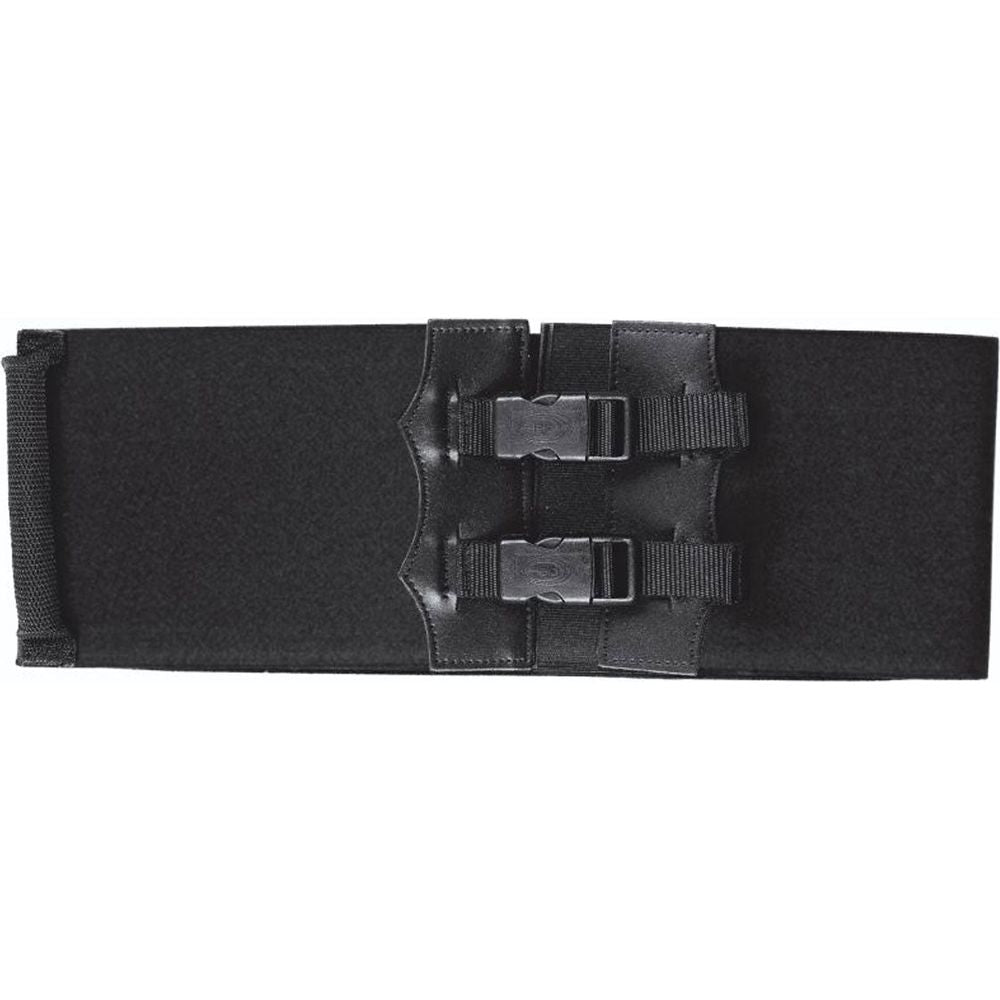
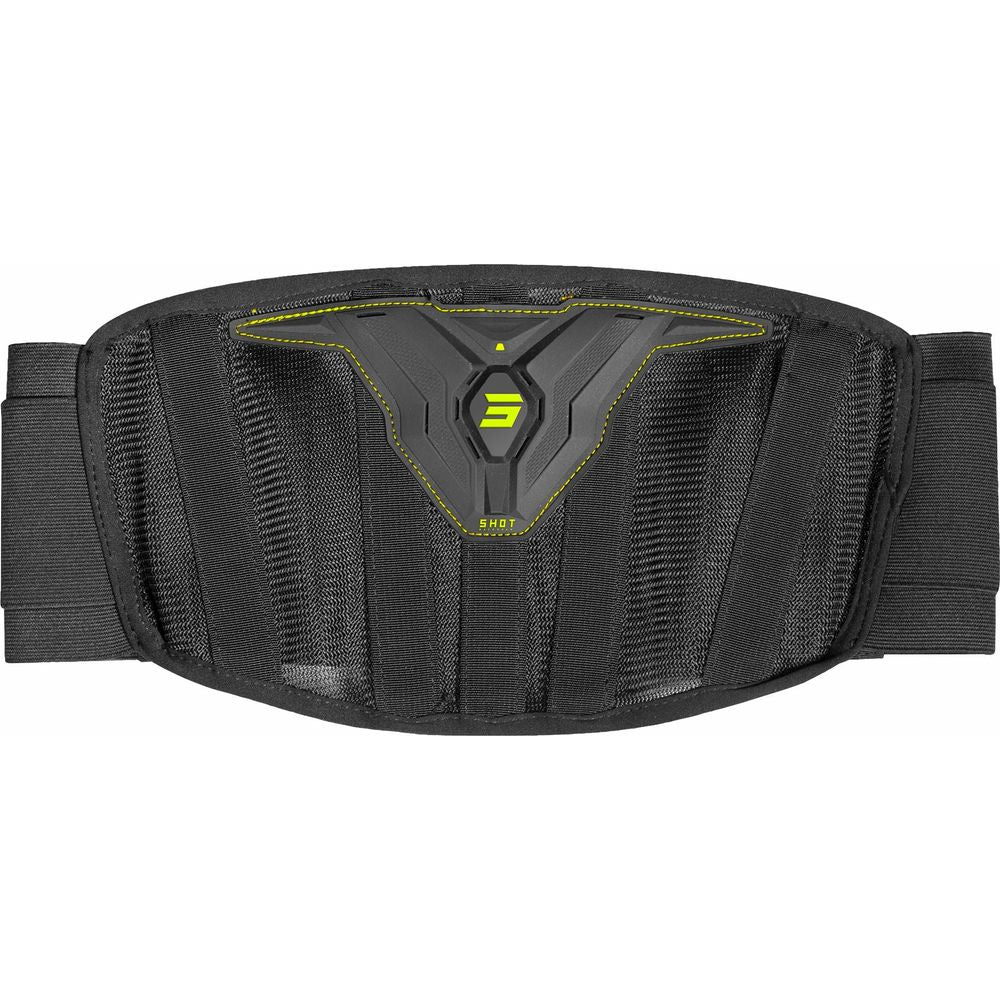
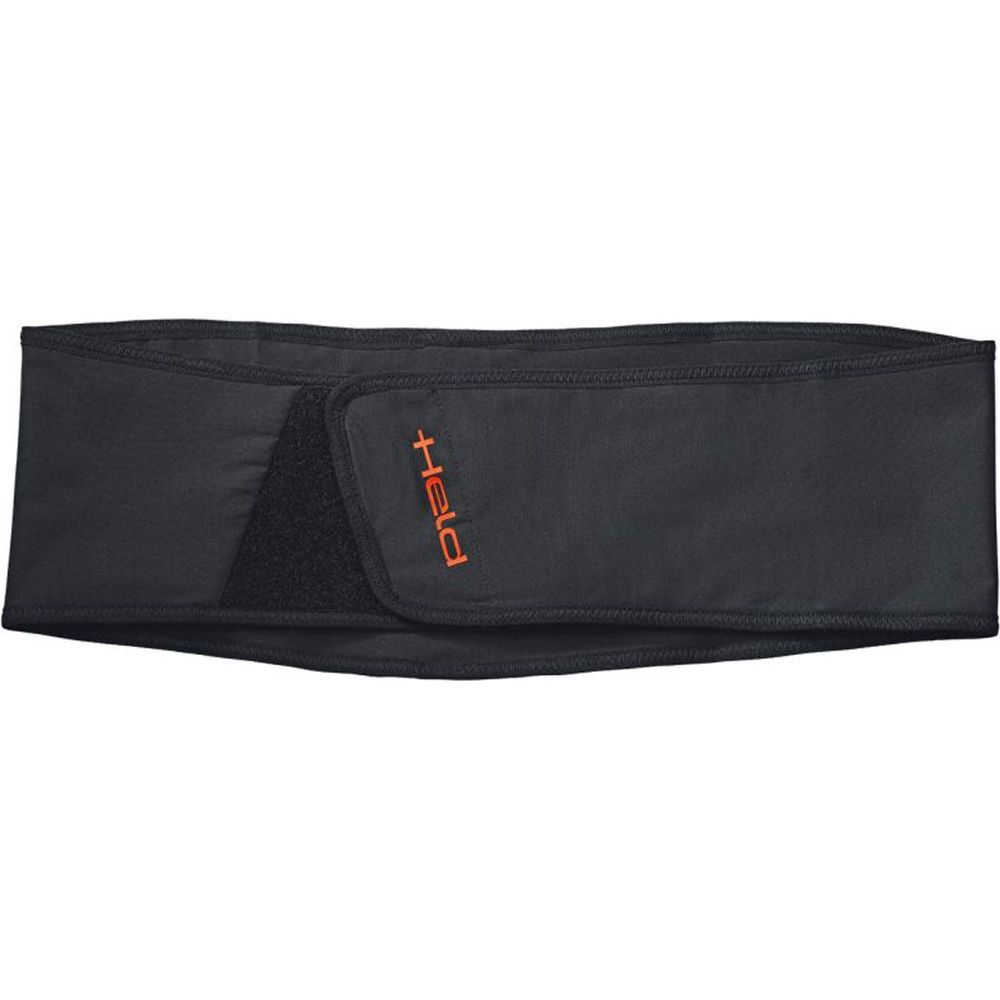
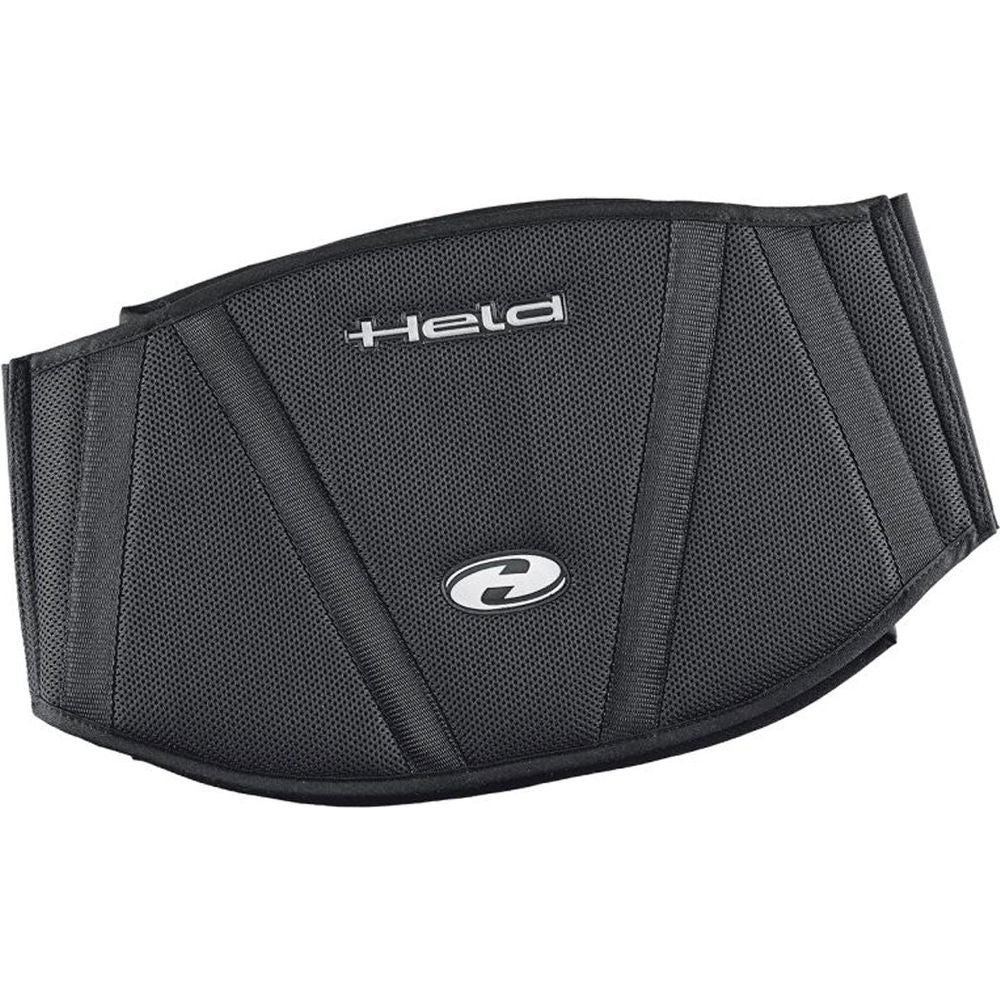
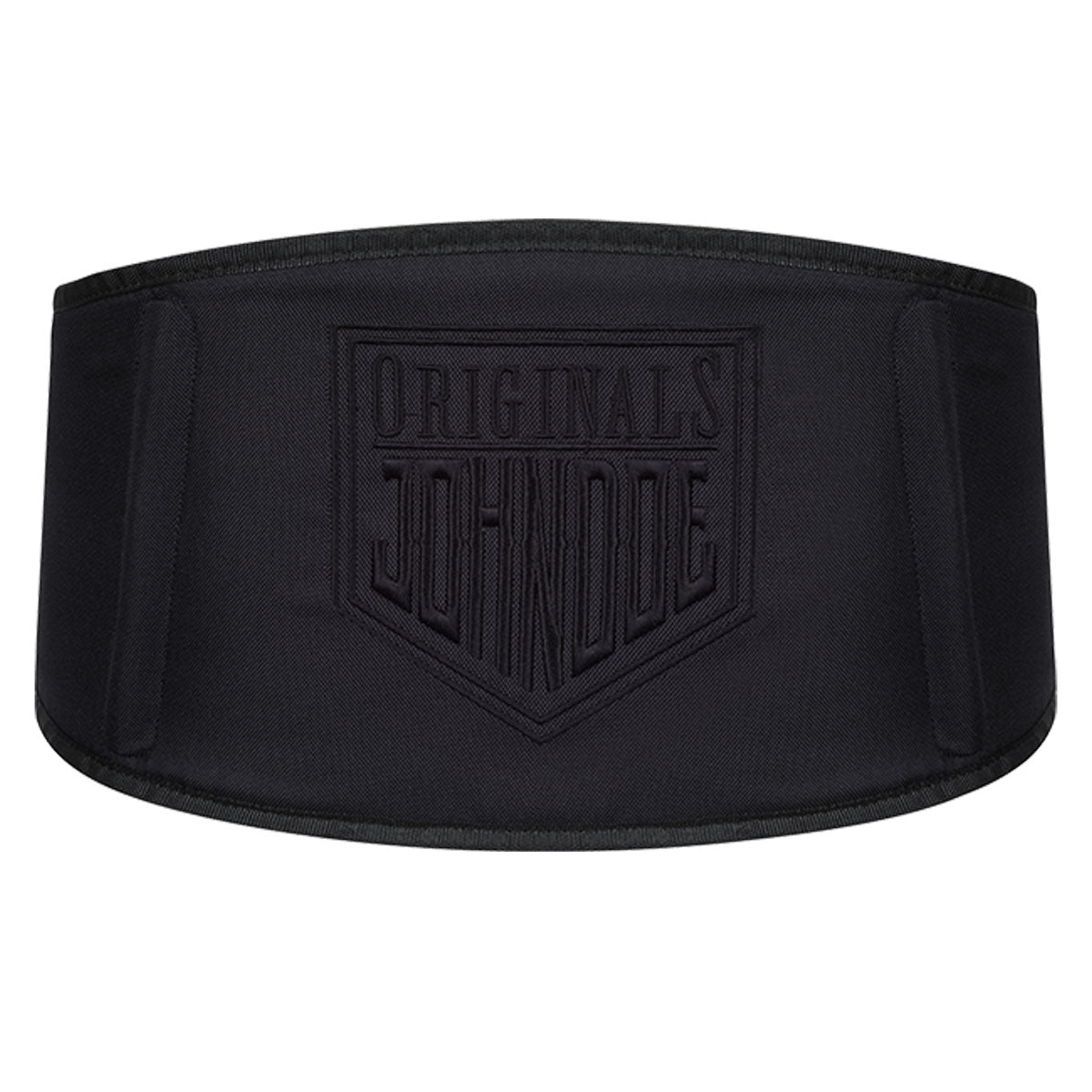
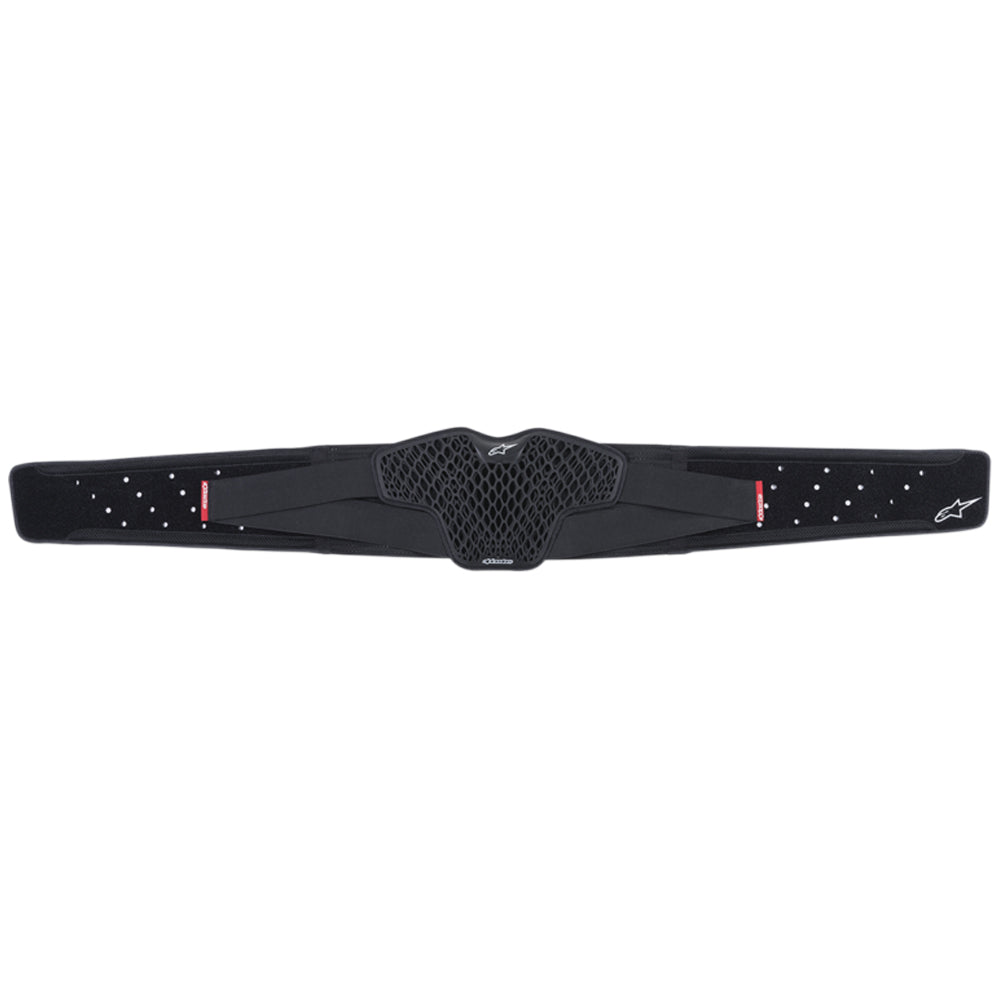
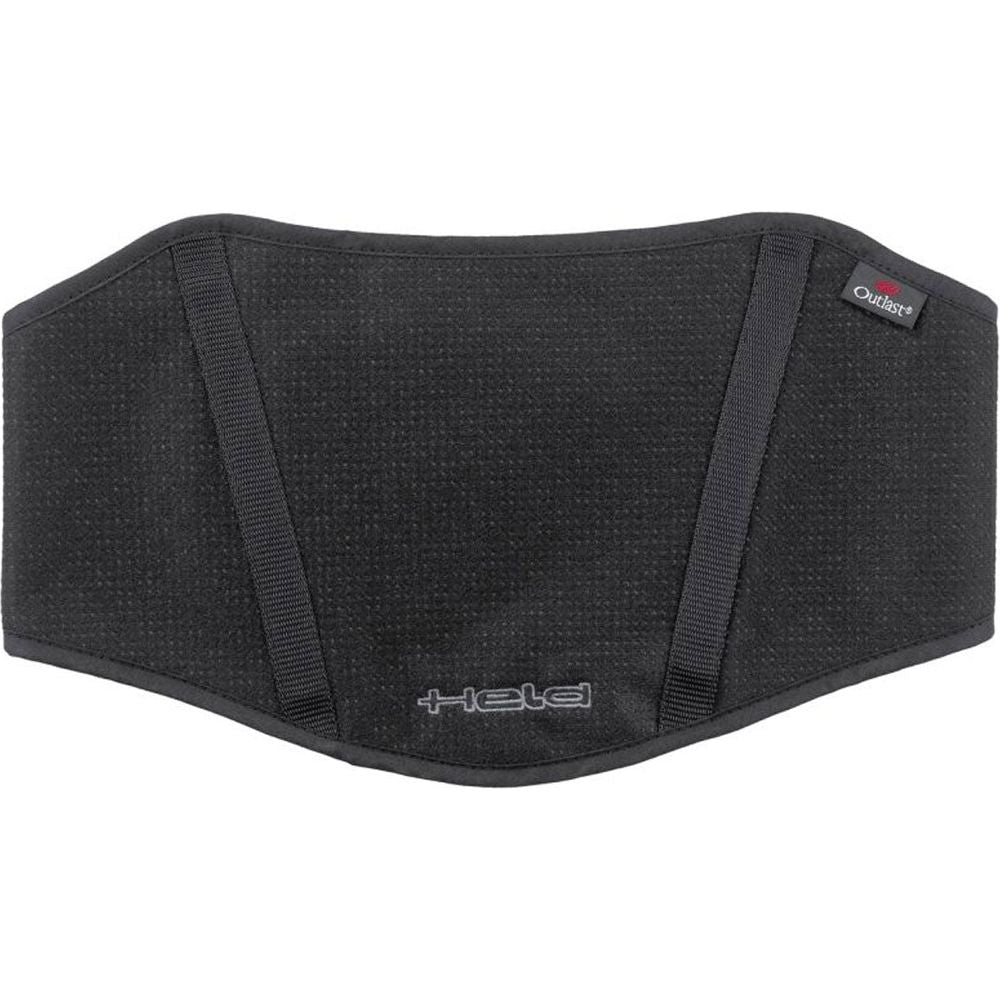
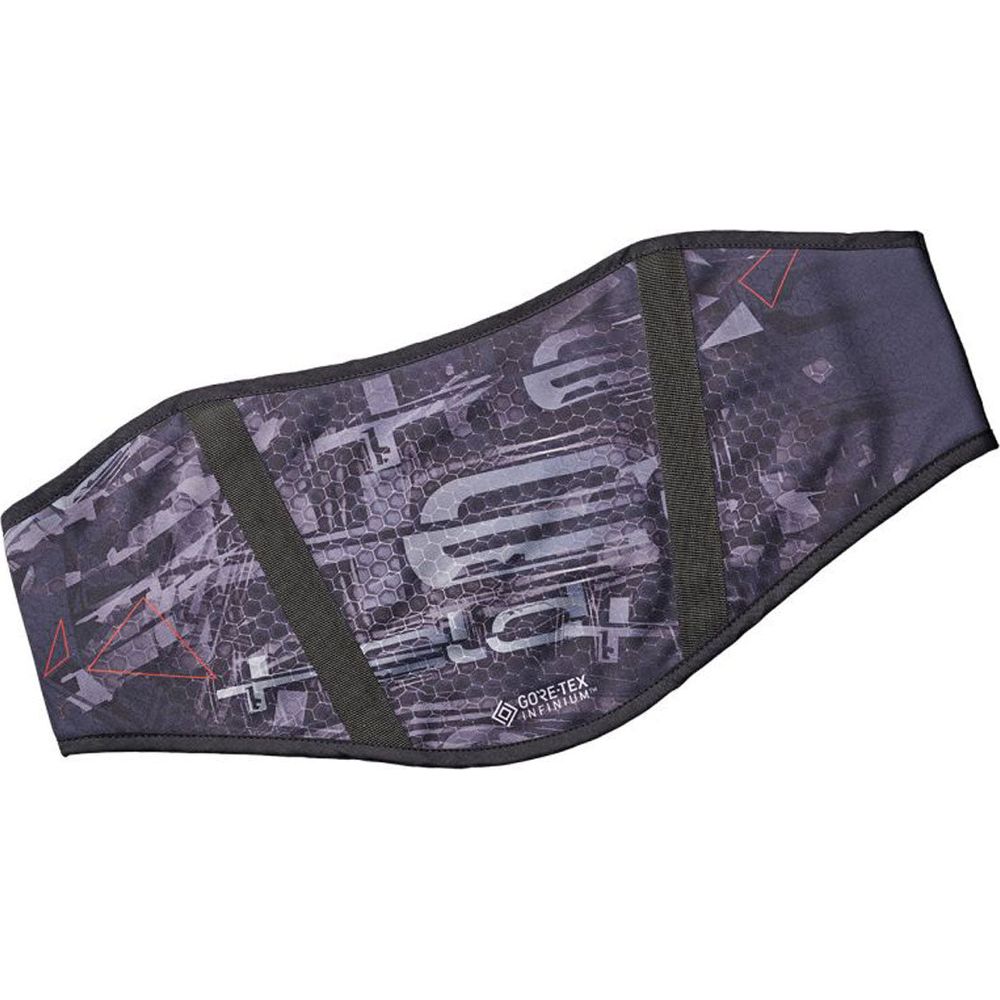
Motorcycle kidney belts sit around the lower torso to provide support, warmth or, on selected certified models, lumbar impact protection. Those functions are not interchangeable. This Moto Central collection includes flexible support belts, wider semi-rigid designs, youth sizes, off-road options and a small number of products with integrated or certified protection. Start with the job you need the belt to do, then check its exact construction and approval.


Support belt or impact protector?
Many products sold as kidney belts are support garments. They use elastic, textile, foam or semi-rigid panels to create a close wrap around the lower back and abdomen. They may help a rider feel supported and can add a wind-blocking layer, but that does not automatically make them impact armour.
An impact-protective model should state the applicable certification and level on its product information or marking. For example, Leatt specifies EN 1621-2 Level 1 lumbar protection for the 3DF 3.5. That claim belongs to that model and should not be applied to the Dainese, Held, John Doe, LS2 or other belts in this collection without their own evidence.
How to choose a motorcycle kidney belt
- Purpose: decide whether you want lumbar support, added warmth, certified impact protection or a belt designed to work with off-road body armour.
- Height: a higher belt covers more of the lower torso, while a lower belt may be easier to position beneath short jackets or in a compact riding posture.
- Closure: check the adjustment range and whether the belt uses one closure or a dual-action elastic system. It should remain secure without digging into the abdomen.
- Ventilation: perforated or channelled construction can be useful for energetic off-road riding, but the materials and airflow differ between products.
- Compatibility: make sure the belt does not overlap awkwardly with trouser waist adjusters, a back protector, chest armour or the lower edge of your jacket.
Getting the fit right
Measure where the manufacturer instructs, usually around the waist or lower torso, and use that brand's size chart. Do not assume that an S/M from one maker covers the same measurement as another. Put on the base layers and trousers you normally ride in before checking the fit.
The belt should sit flat, remain stable when you lean forward and allow full breathing. It should not roll at the edges, force a back protector upwards or create a pressure point against the seat. Recheck the position in your real riding posture, not only while standing. Youth belts need the same care and should be selected from the child's current measurements rather than age alone.
Why buy kidney protectors from Moto Central?
Moto Central stocks support and protective options from several brands, making it possible to compare height, closure, ventilation and documented certification in one place. The range also covers adult and youth sizing rather than treating every belt as a universal fit. For broader protection, compare the motorcycle body armour collection, where back, chest, shoulder and off-road systems can be considered alongside a kidney belt.
Kidney belt questions
Does every motorcycle kidney belt absorb impacts?
No. Many are support belts. Look for a stated impact standard and protection level on the exact product if impact protection is required.
Can a kidney belt replace a back protector?
No. A support belt and a full back protector cover different areas and perform different jobs. Even a certified lumbar model should be assessed as part of the complete protection system.
Should a kidney belt be very tight?
It should be secure and stable, not restrictive. You must be able to breathe, move and sit normally without pressure points or numbness.
Can I wear one under my motorcycle jacket?
Many are designed for that position, but check the product instructions and make sure it does not interfere with jacket armour, trouser waistbands or other protection.