Filter

Motocross Helmets
1 product
Showing 1 - 1 of 1 product
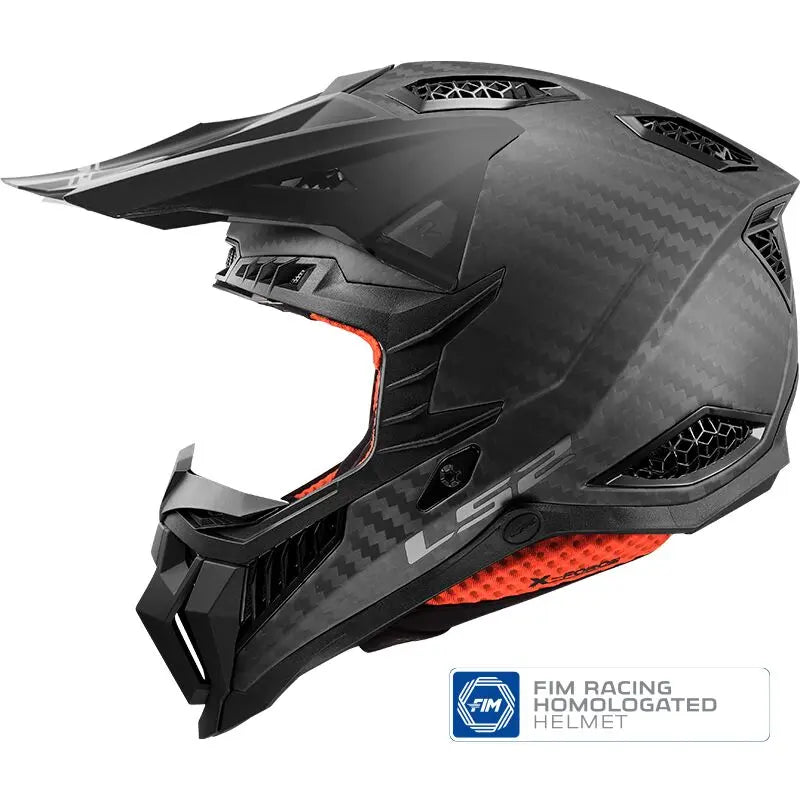
Motocross helmets are designed around active off-road riding, with an extended chin bar, large eye port, pronounced peak and high levels of airflow. Dedicated models are normally worn with separate motocross goggles, allowing the rider to choose the lens and frame for the conditions.
This collection includes adult and junior off-road helmets, along with some adventure crossover models that share motocross styling. Check the exact product type before ordering: a visorless competition-focused helmet and an adventure helmet with a clear visor may look related, but they serve different riding priorities.


What defines a motocross helmet?
Extended chin bar
The projecting chin section provides space around the mouth and supports airflow during physically demanding riding. Shape and vent design vary, so compare how the helmet feels when breathing hard and when used with any neck protection required for your riding.
Peak
The peak helps manage roost, low sun and overhead glare. Check its adjustment range, fixing hardware and replacement availability. A peak also catches moving air, so a dedicated motocross helmet is not designed around the same high-speed refinement as a road-touring model.
Large eye port
Motocross helmets use a broad opening for separate goggles and peripheral vision. Eye-port shape, nose clearance and strap position differ between helmet and goggle brands, making physical compatibility an important part of the choice.
High ventilation
Chin, brow, crown and exhaust vents help move heat and moisture during off-road sessions. Some systems include removable or cleanable vent components, while others are fixed. Inspect vents after muddy rides so airflow is not blocked.
Removable interior
Dust, sweat and mud make a removable, washable comfort liner particularly useful. Only remove and wash the components identified in the manual, and allow every part to air-dry fully before refitting.
Secure fastening
Many dedicated motocross models use a double D-ring retention system, but fastening type is model-specific. Whatever the design, adjust it each time and make sure the loose end is secured exactly as the manufacturer directs.
Dedicated motocross or adventure crossover?
A dedicated motocross helmet normally has no integrated clear visor and prioritises goggle use, ventilation and active movement. An adventure helmet usually adds a road-style visor and may include an internal sun visor, closable vents, intercom preparation or a removable peak for mixed-surface journeys.
Some products can sit near the boundary, and collection tags may include crossover models such as the Arai Tour-X5. Use the individual listing and manufacturer description to identify whether the helmet is a visorless off-road model, a visor-equipped adventure model or supports several approved configurations.
Check approval and event requirements
Approval varies by model and production generation. Current examples such as the Shoei VFX-WR 06, LS2 MX708 Fast II and LS2 Fast Evo II Mini are officially listed with ECE 22.06 homologation, while older stock can carry a different marking. Riding venues and competition organisers may impose additional requirements, so check the helmet label and current event rules before use.
Choosing motocross goggles with your helmet
Try the helmet and goggles as a pair. The goggle frame should sit evenly against the face without being lifted by the eye-port edge, and the nose section should not create a pressure point. The strap needs a stable path around the shell and should not pull the frame out of position when you turn your head.
Check peripheral vision and make sure the peak does not obstruct the view when adjusted for your normal stance. If you use roll-offs or tear-offs, confirm that the system clears the helmet opening and follows the rules of the venue. Lens tint should suit the light and surface conditions.
Browse Moto Central's motocross goggles alongside the helmet so you can compare frame width, strap position and lens options.
Motocross helmet fit
Measure around the widest part of the head and start with the exact manufacturer's chart. Sizing labels are not consistent enough to transfer between brands or even every model from one brand. The helmet should make even, firm contact around the crown and cheeks without sharp pressure, numbness or space that allows it to rotate independently of the head.
Fasten the strap, hold the chin bar and gently move the helmet side to side and forwards. The skin should move with it, and the helmet should not roll over the eyes or lift excessively at the rear. Recheck the fit with the goggles fitted, because the frame and strap can alter how the helmet feels.
New comfort padding normally settles with use. Do not choose a loose helmet to allow for growth or anticipated bedding-in. For a child, reassess size and condition regularly rather than buying an oversized shell.
Adult and junior motocross helmets
Junior models are designed around smaller size ranges and should be identified by their official model specification, not simply a small adult size or colourful graphic. LS2, for example, lists the Fast Evo II Mini as a junior off-road helmet in S, M and L within its own size system.
Weight and balance matter for every rider, particularly during long sessions, but a lighter figure does not override fit, approval or correct sizing. Manufacturer weights are normally quoted for a particular size and can vary with shell size and production tolerance.
Model-specific technology
Features must be checked model by model. Shoei lists its VFX-WR 06 with M.E.D.S., a multi-density EPS system, emergency quick-release cheek pads and detachable washable comfort pads. The LS2 Fast II uses a KPA shell and adjustable removable peak, while Arai's current MX-V EVO information describes a removable interior, replaceable pads, ventilation for dusty riding and an emergency-release system.
Those details should not be applied to every helmet in the collection. Shell material, emergency-release design, liner adjustability, number of shell sizes and included accessories all vary by product and colourway.
Cleaning and inspection after riding
Remove loose mud only after it has softened, using lukewarm water and a clean soft cloth. Avoid solvents, household polish and aggressive detergent. Take out washable padding only as shown in the manual, clean it by the stated method and dry it naturally away from radiators or direct heat.
Inspect the peak screws, vents, liner fixings, strap, shell and eye-port after each demanding session. Replace damaged accessories with the correct manufacturer part. If the helmet has taken an impact or shows structural damage, stop using it. Cosmetic cleaning or new comfort pads cannot restore an impacted shell or EPS liner.
Why buy a motocross helmet from Moto Central?
Moto Central stocks a broad off-road range from entry-level adult and junior models through to premium motocross helmets. Our Hinckley showroom gives you the opportunity to compare internal shape, balance, peak adjustment, eye-port clearance and goggle fit rather than relying on a size label alone.
You can also build the rest of the setup from our motocross gear, goggles and wider motorcycle helmet collections.
Motocross helmets: customer questions
Do motocross helmets include a clear visor?
Dedicated motocross models normally use separate goggles rather than an integrated visor. Some adventure crossover helmets in the wider range do include a visor, so check the exact product type.
Will any motocross goggles fit any helmet?
No. Eye-port width, nose clearance, frame depth and strap position vary. Test the actual combination or compare the measurements and manufacturer guidance.
Can I buy a junior helmet with room to grow?
No. An oversized helmet can move excessively and may not remain correctly positioned. Choose the current measured fit and reassess it as the child grows.
Are all peaks removable?
No. Adjustment, removal method and replacement parts vary by model. Follow the helmet manual and use the correct fixing hardware.
Can a motocross helmet be used for mixed road and trail journeys?
Choose according to the exact riding and approval requirements. A visor-equipped adventure helmet is often more practical for sustained road use, while a dedicated motocross helmet prioritises goggles and airflow.