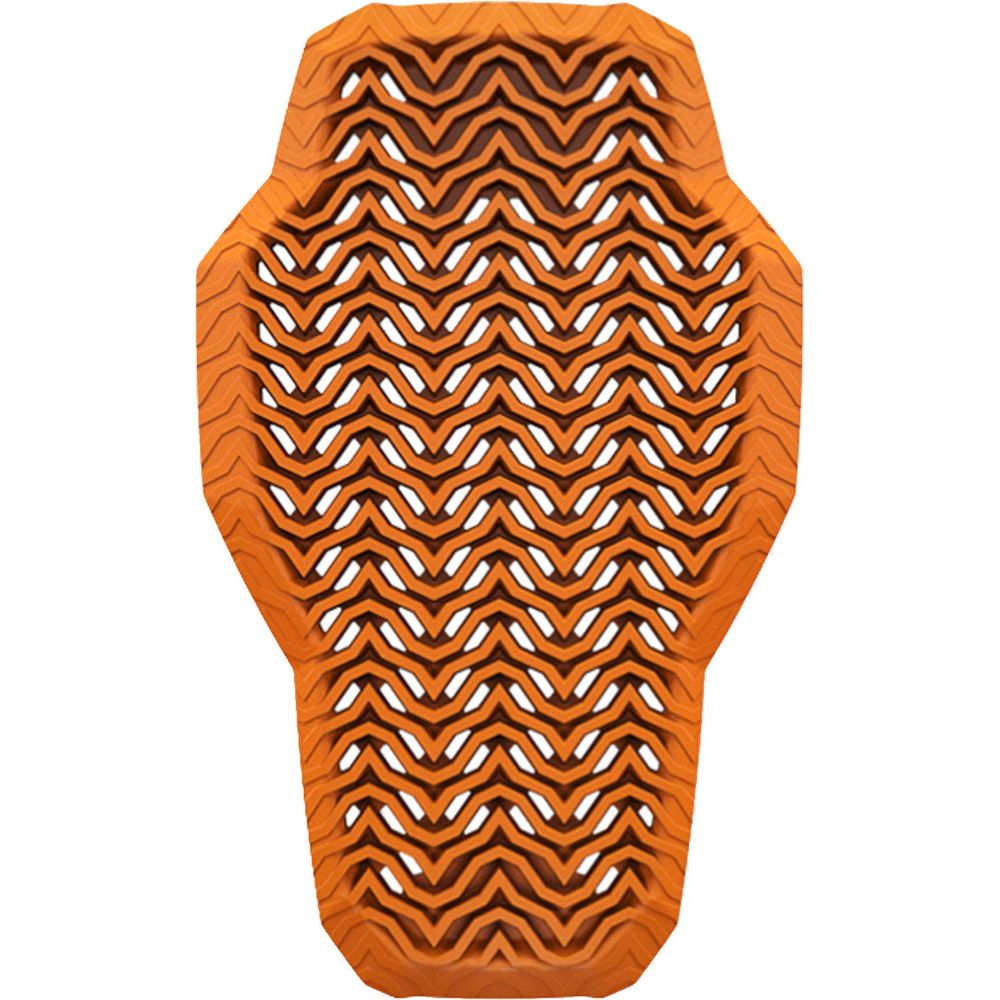
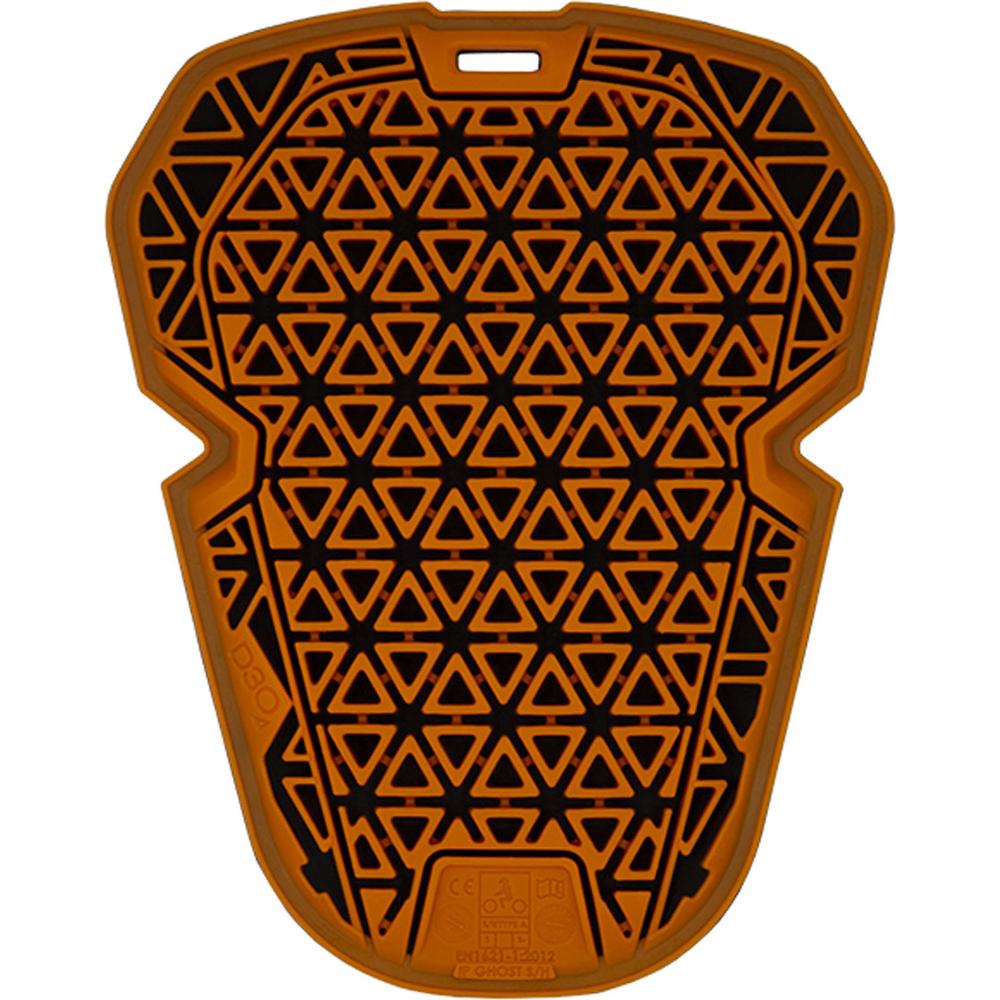
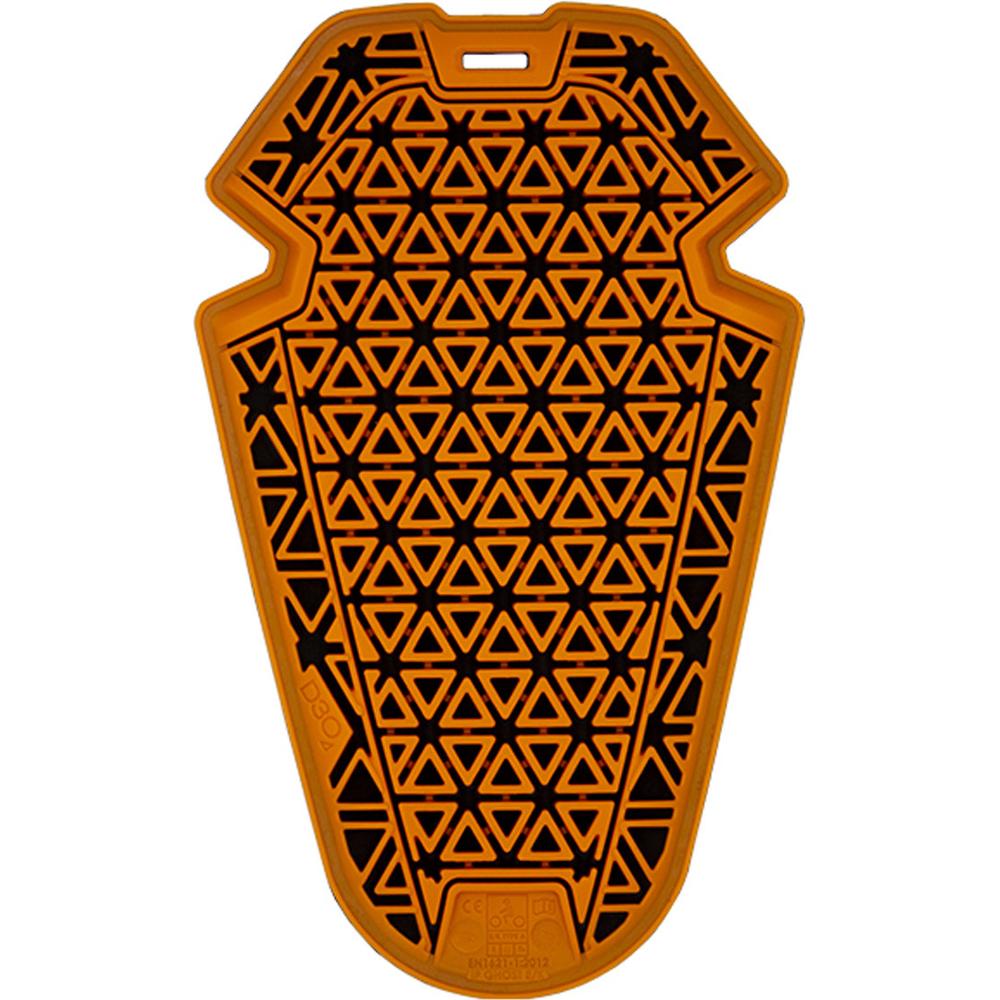
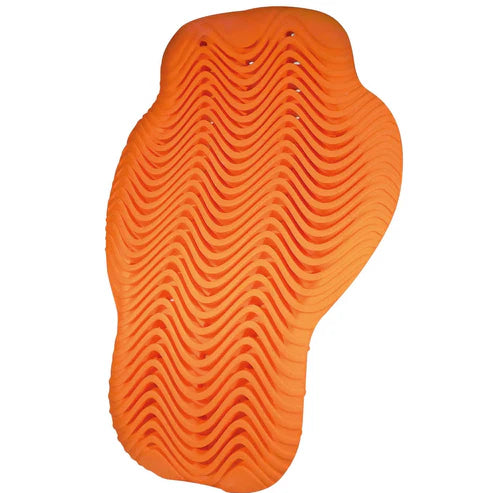
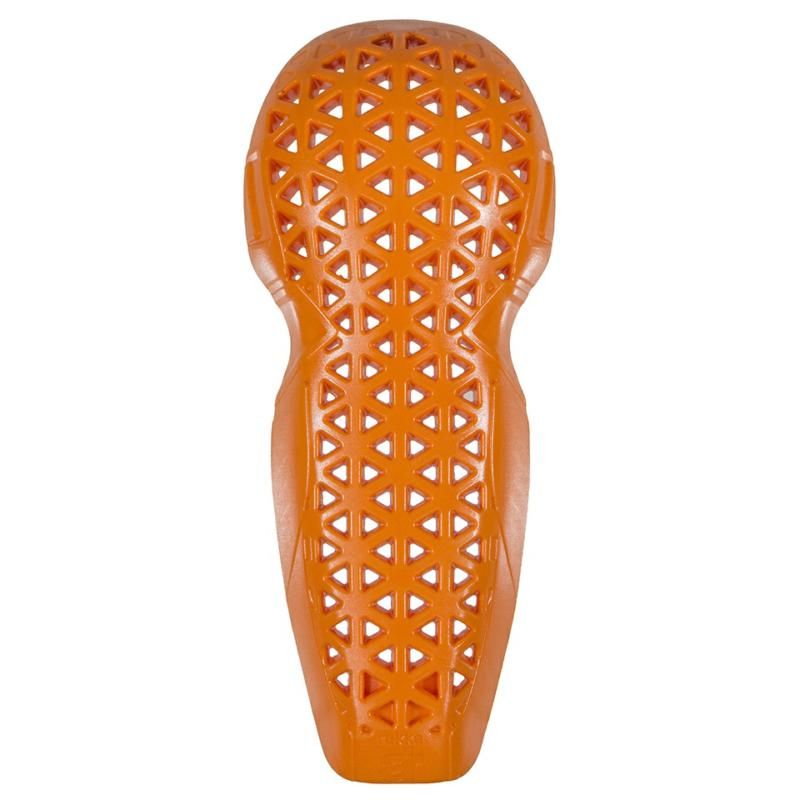
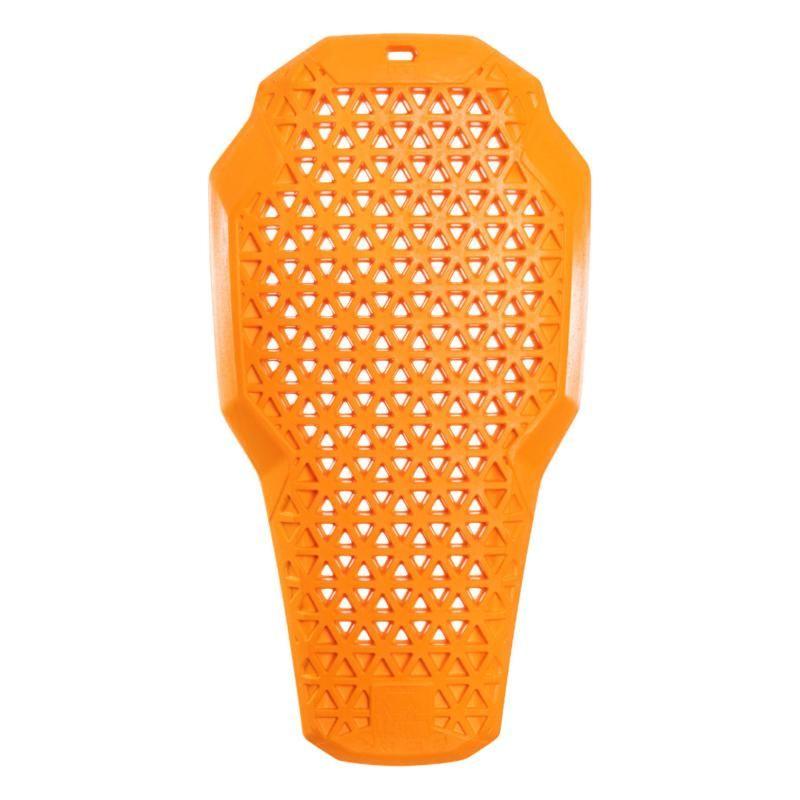
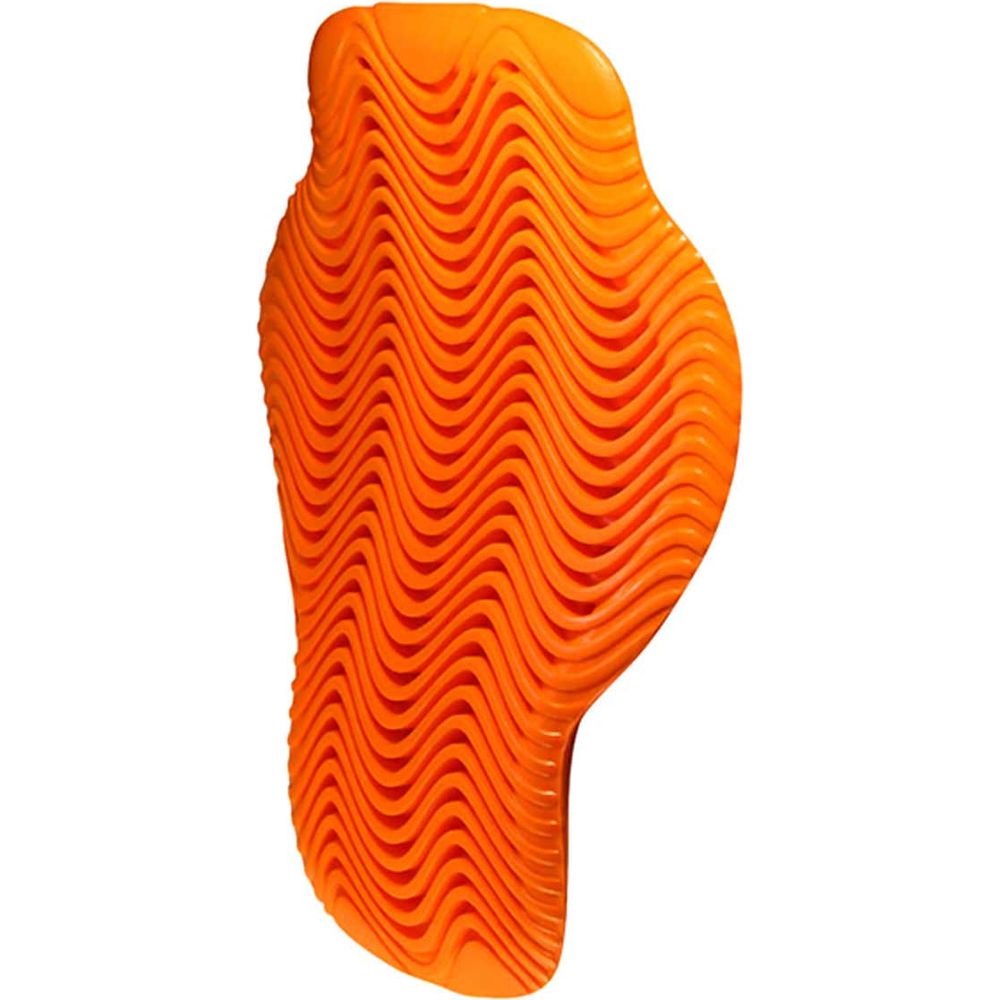
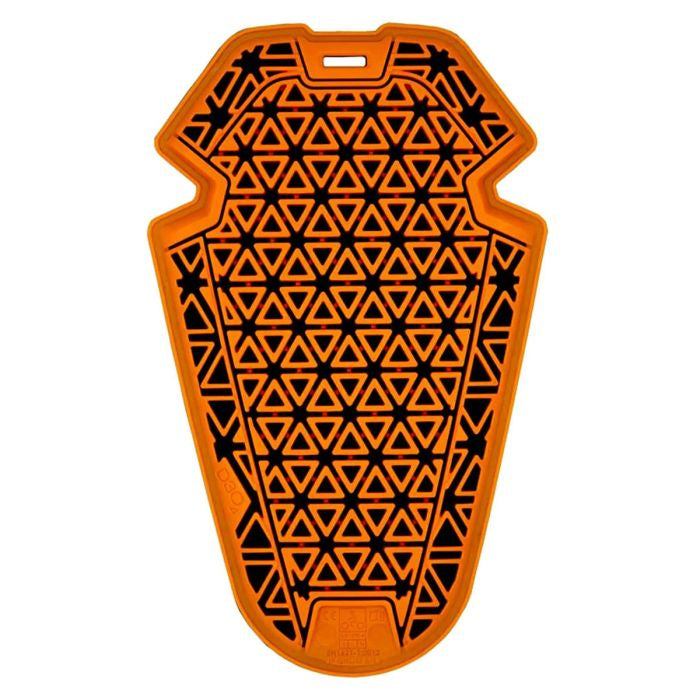
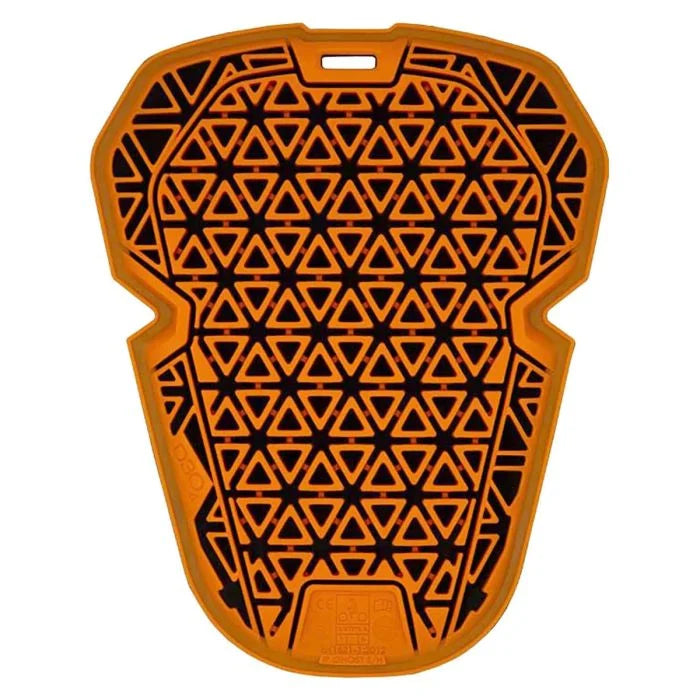
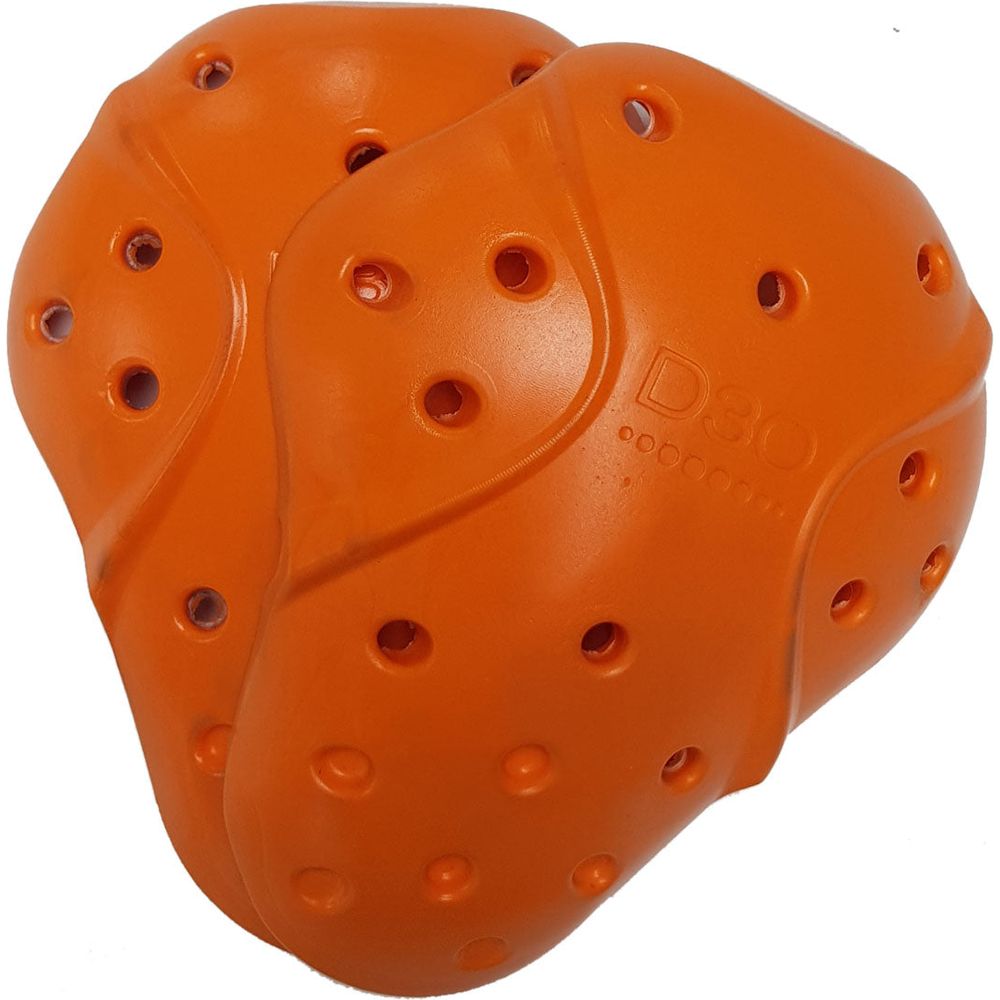
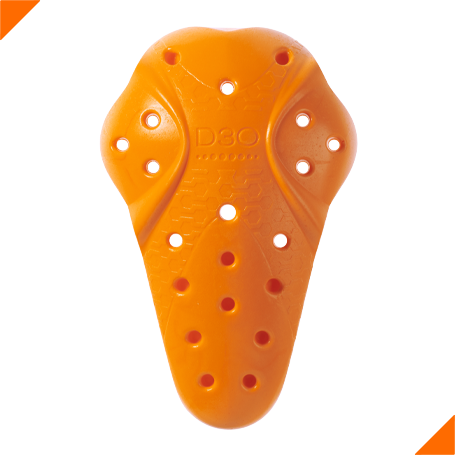
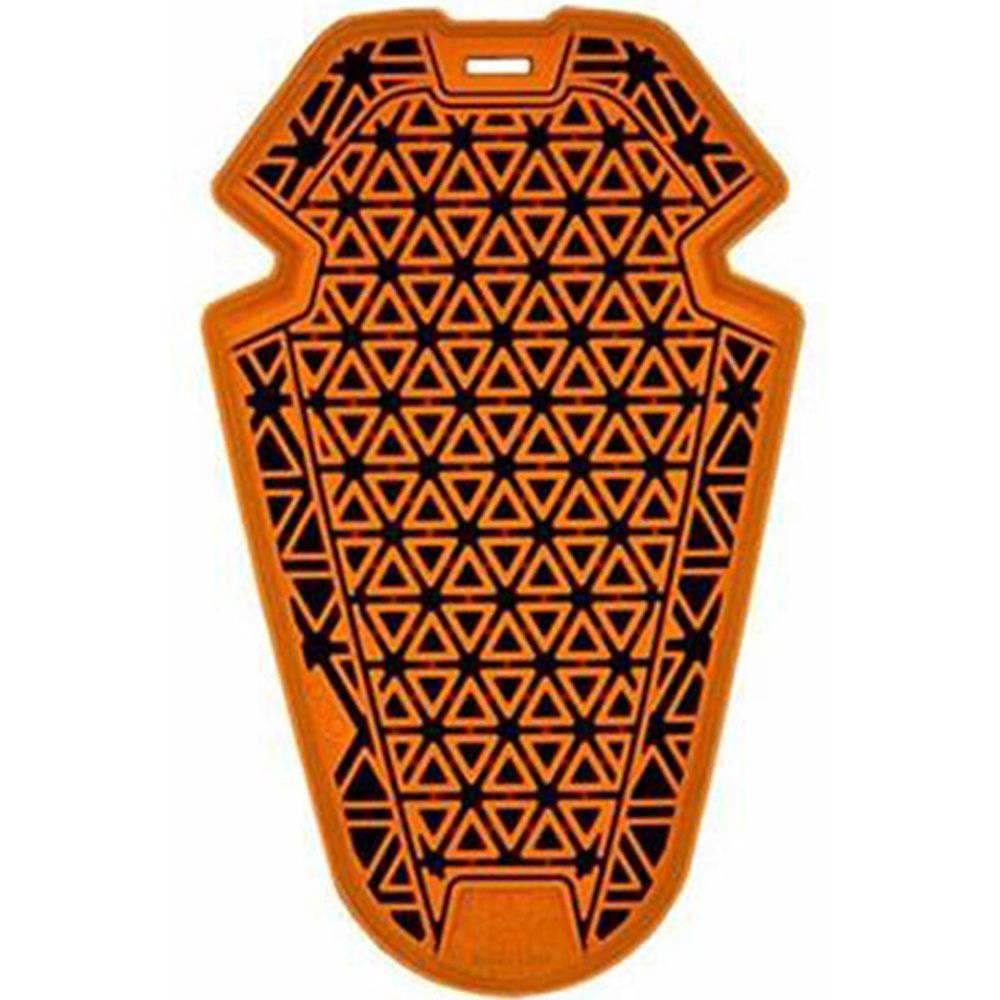
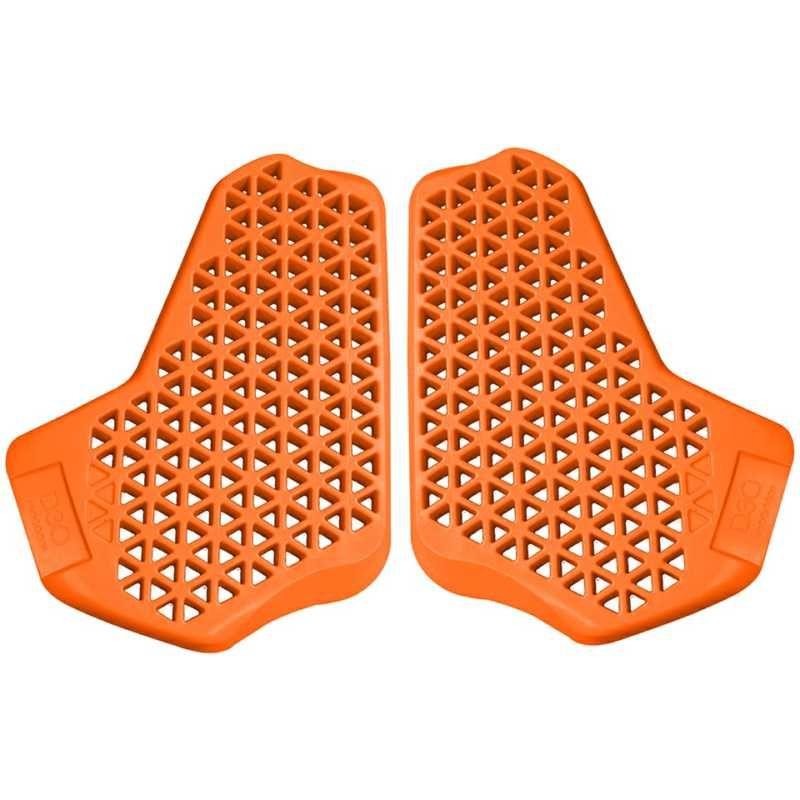
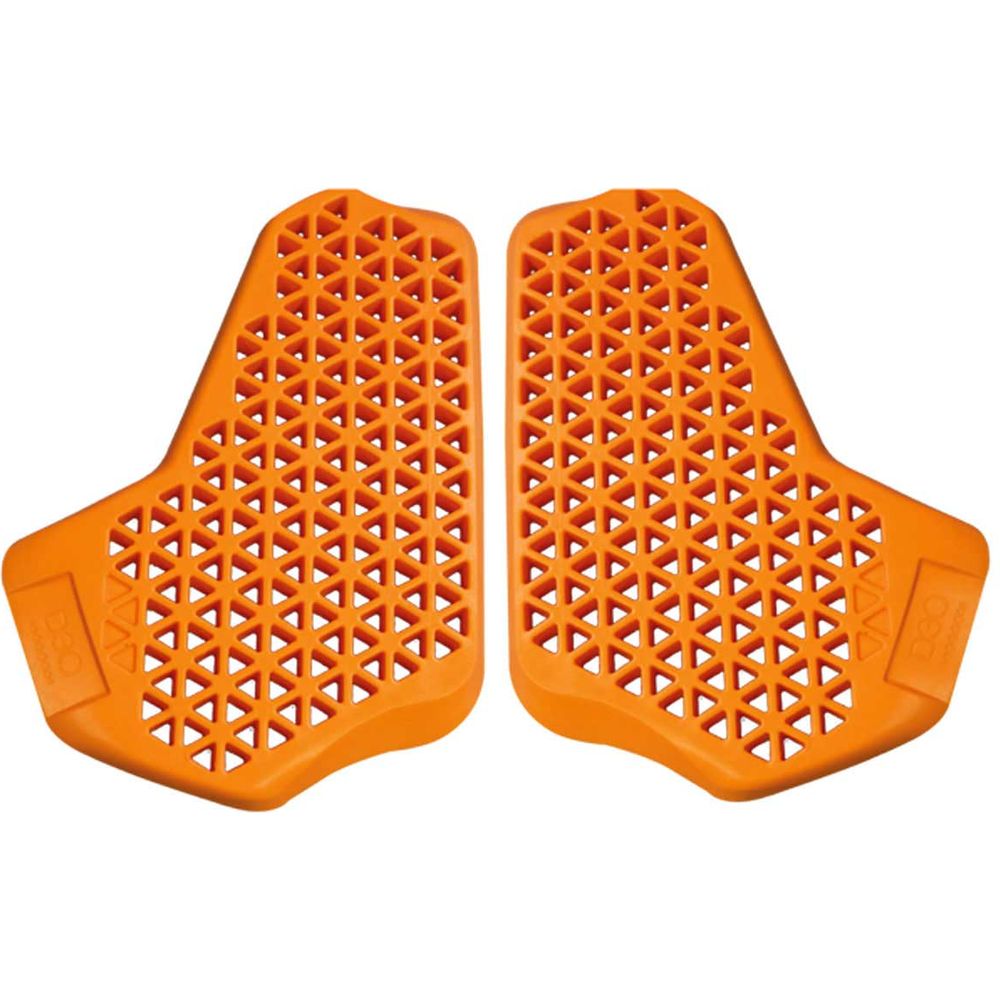
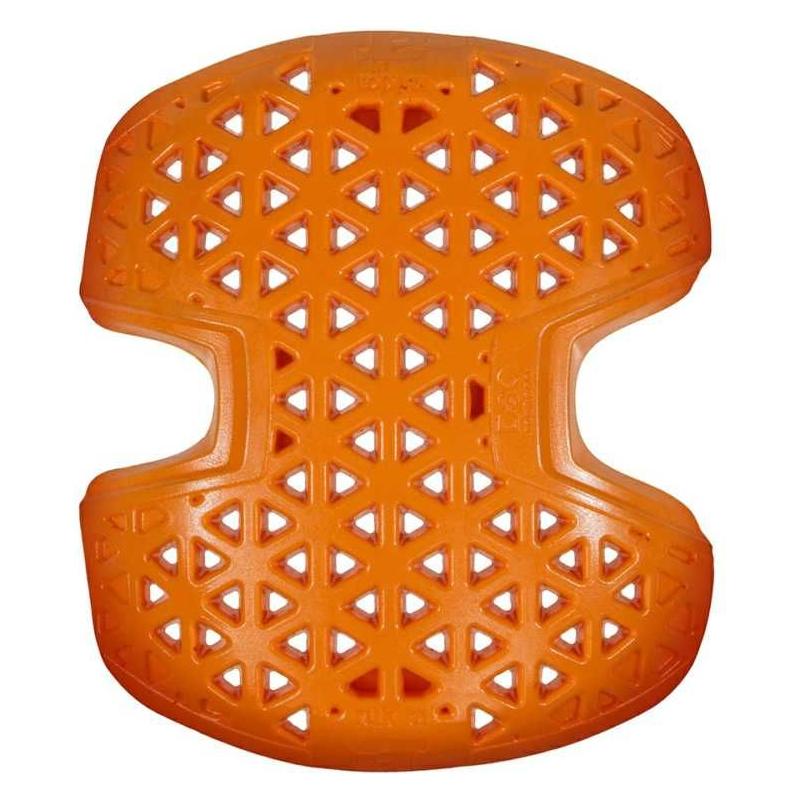
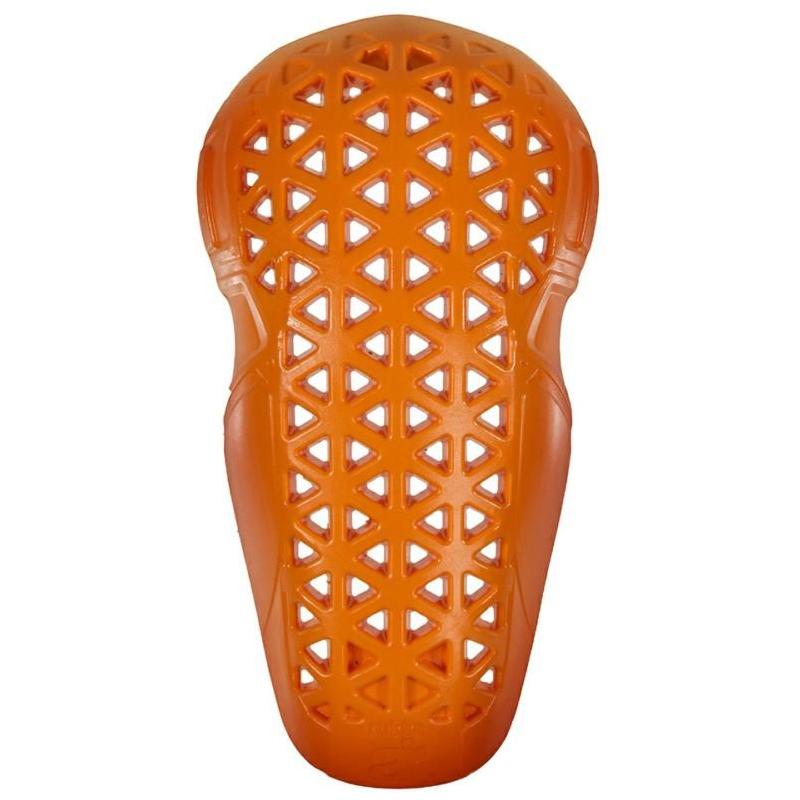
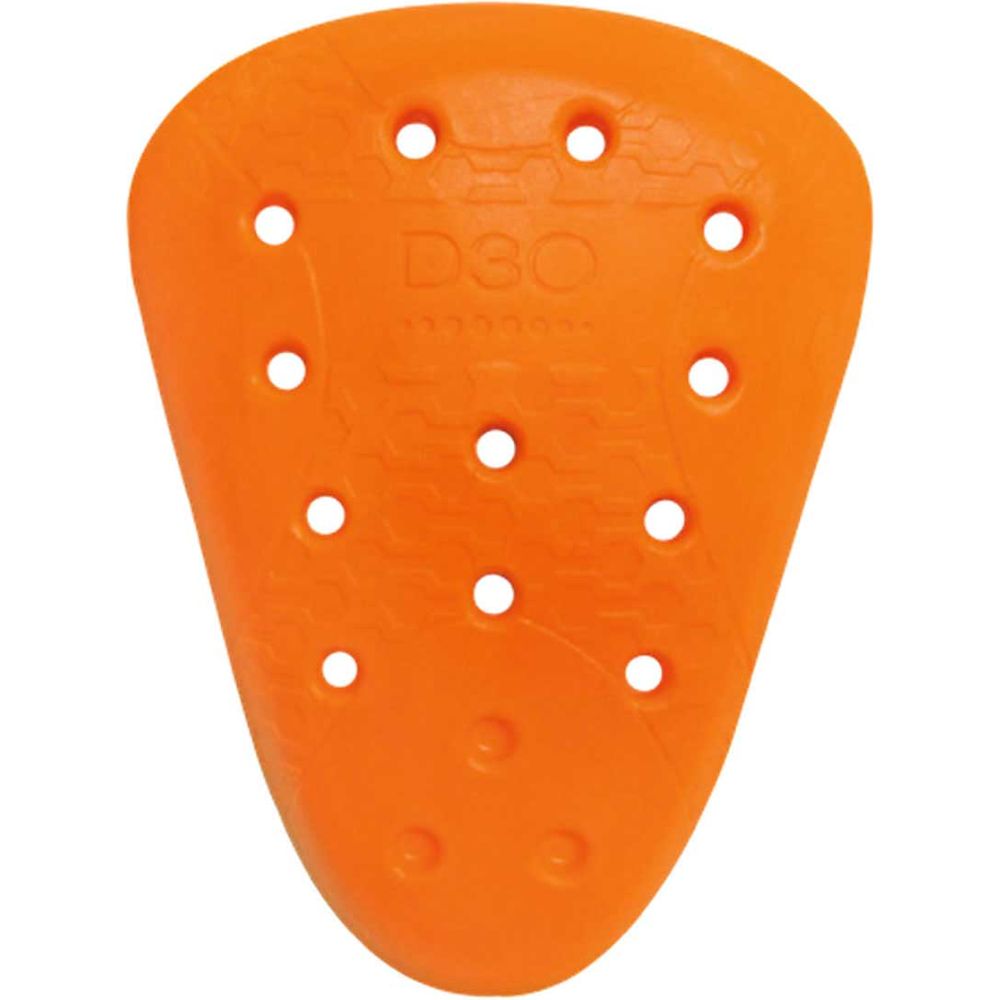
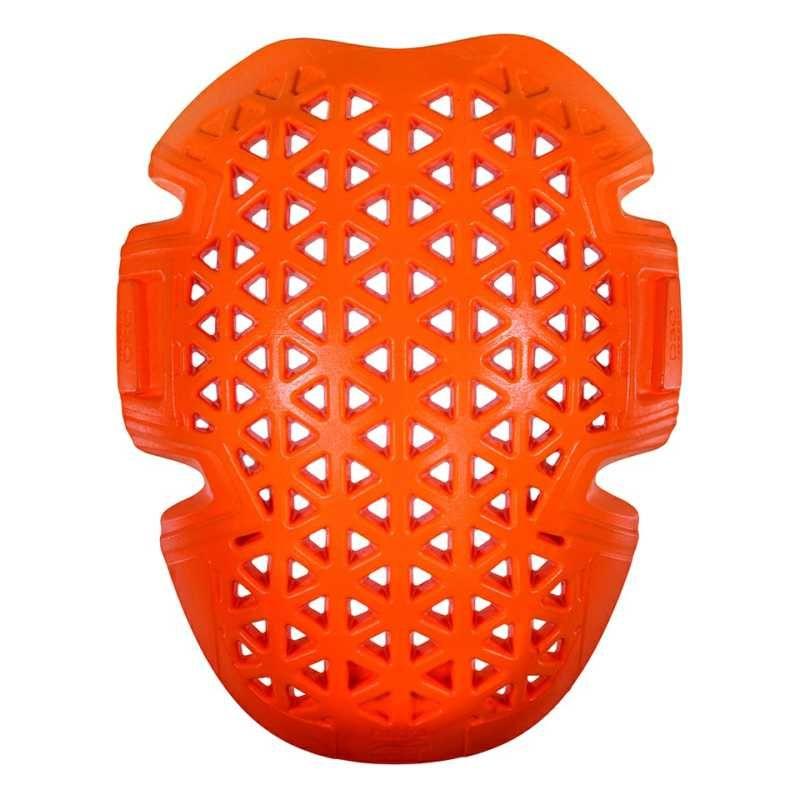
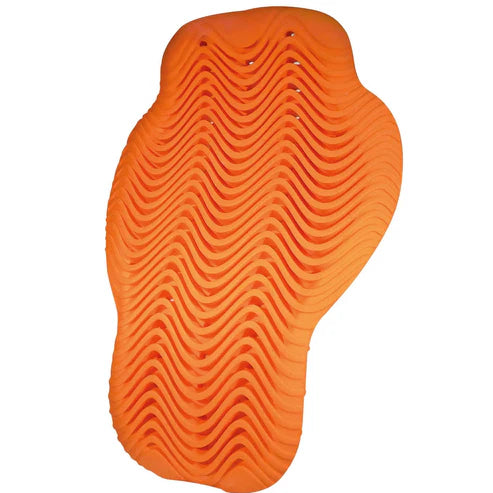
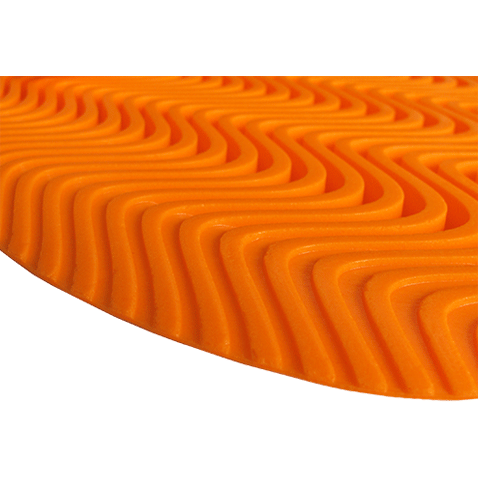
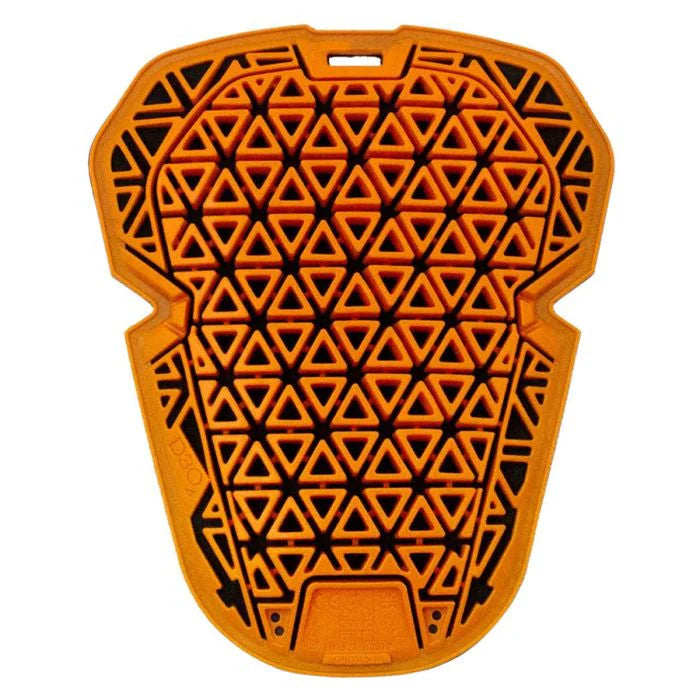
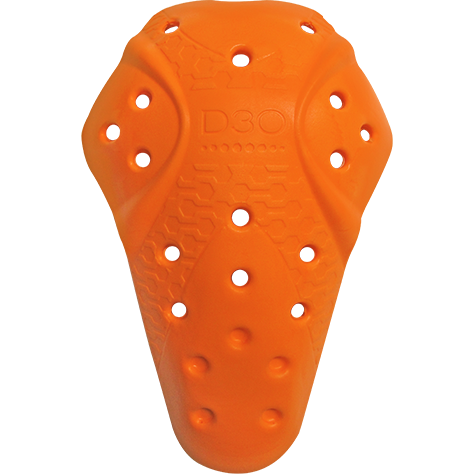
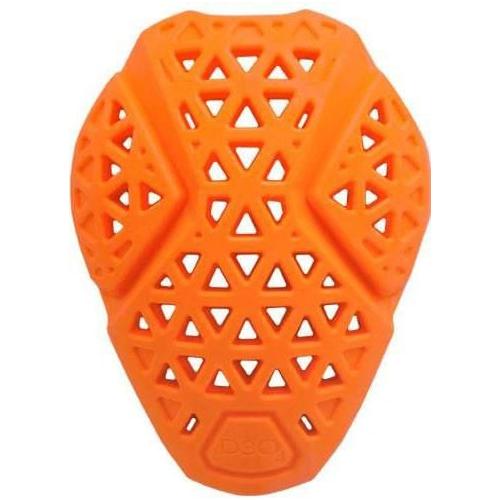
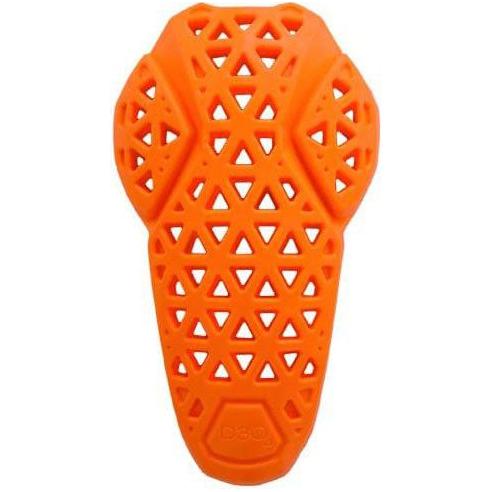
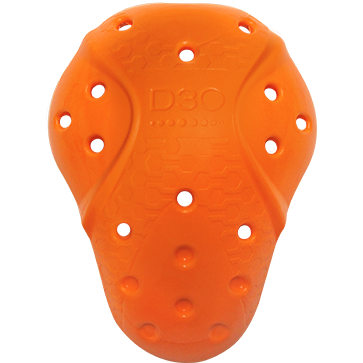
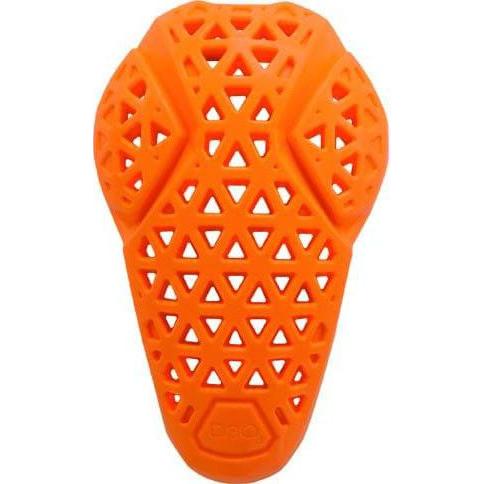
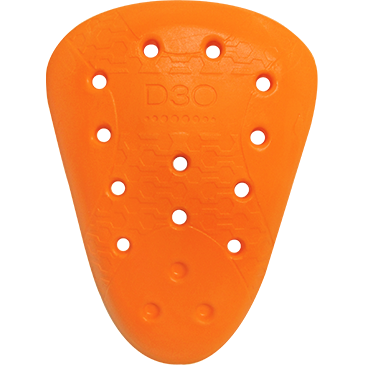
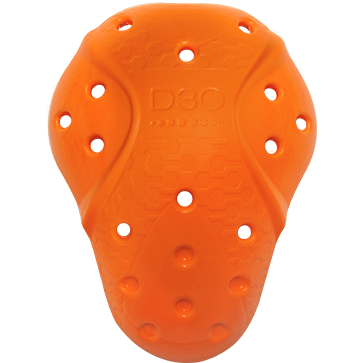
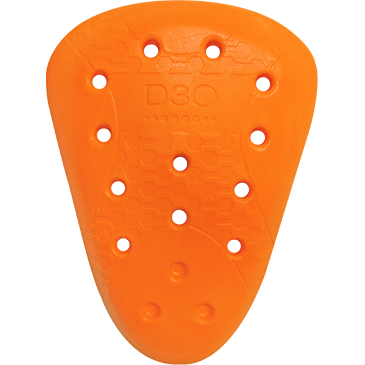
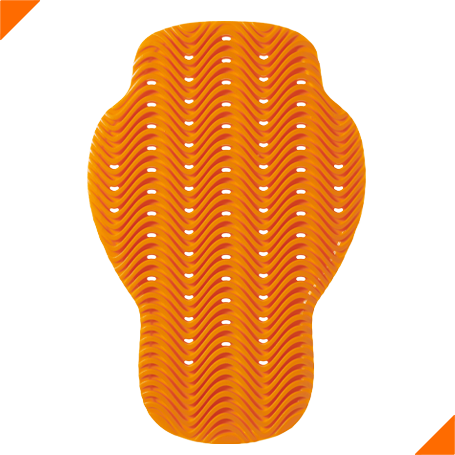
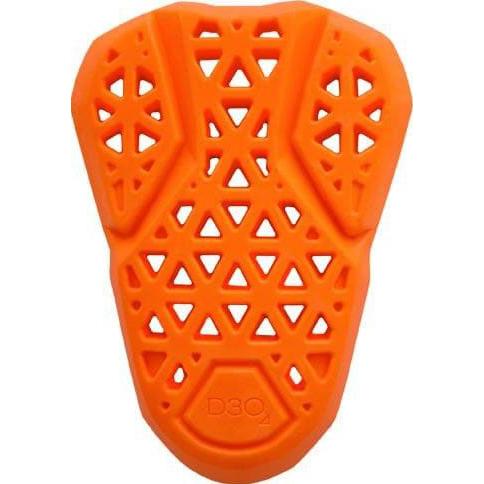
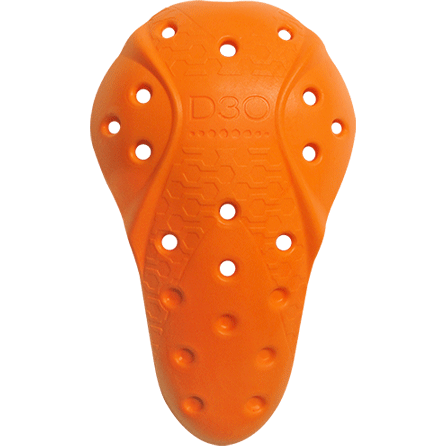
D3O motorcycle armour is used in protective inserts for areas such as the back, chest, shoulders, elbows, hips and knees. When replacing or upgrading armour, start with the garment’s approved fitment, then compare the protector’s coverage, certification and comfort in your riding position.


Choose by body area and garment
A protector needs to sit securely over the intended area. Compare its outline, dimensions, thickness and fixing method with the garment manufacturer’s requirements. A pad that slides into a pocket is not automatically the correct replacement, and different sizes within one jacket or trouser range may need different inserts.
D3O appears in products supplied through several clothing brands. Use the complete product reference rather than relying on its colour or the D3O logo. This is particularly helpful when replacing one damaged insert or matching an existing pair.
Ghost and flexible limb protection
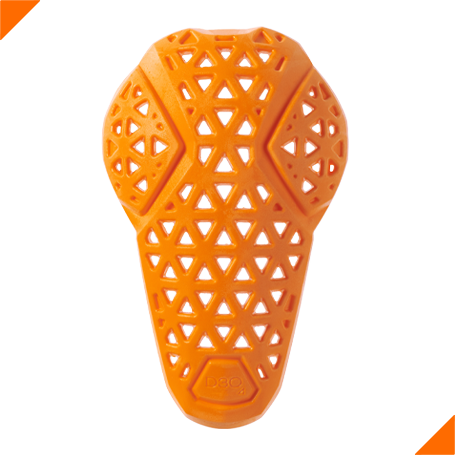
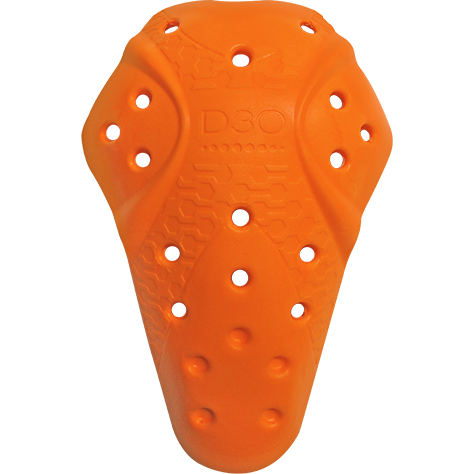
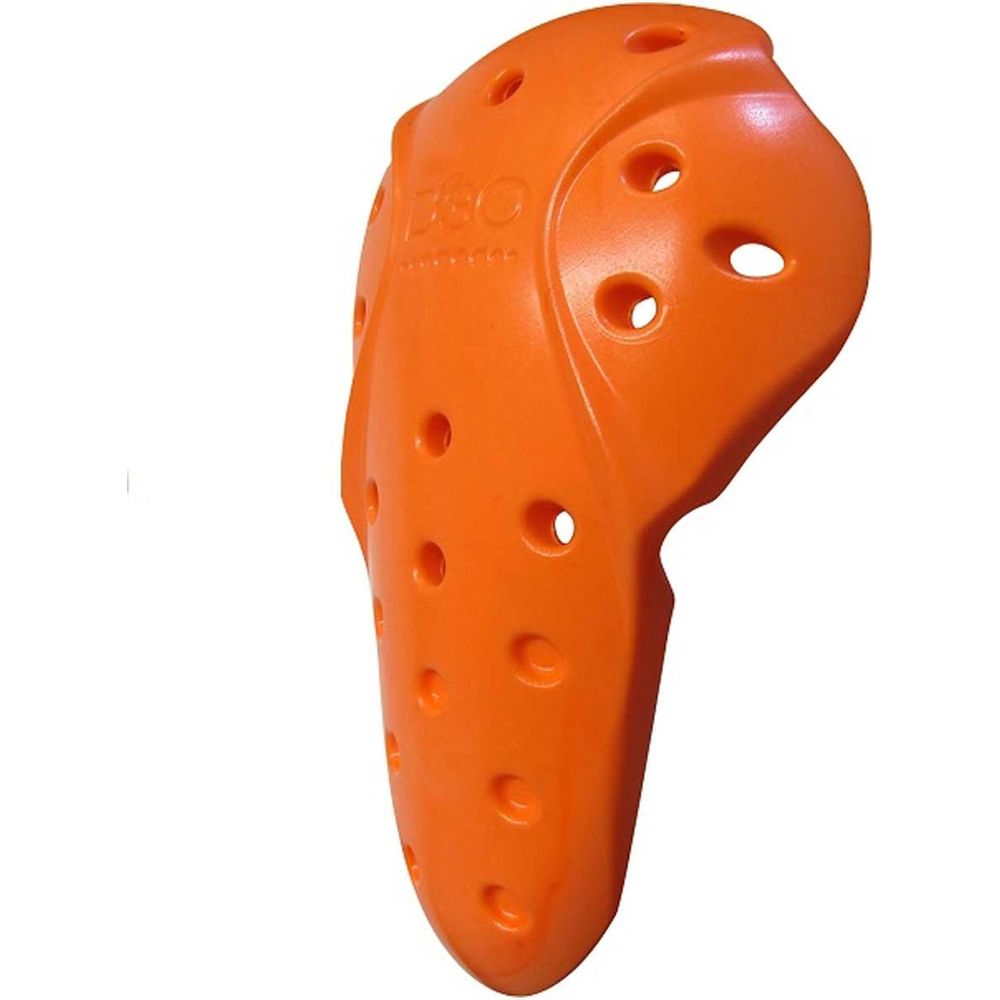
D3O’s Ghost range includes separate Level 1 and Level 2 limb protectors. The Ghost L2 uses a flexible, open structure and meets the manufacturer’s stated EN 1621-1 Level 2 requirements. Check the exact version and intended body area; the Ghost family name does not specify a single certification level.
Back protection is a separate choice
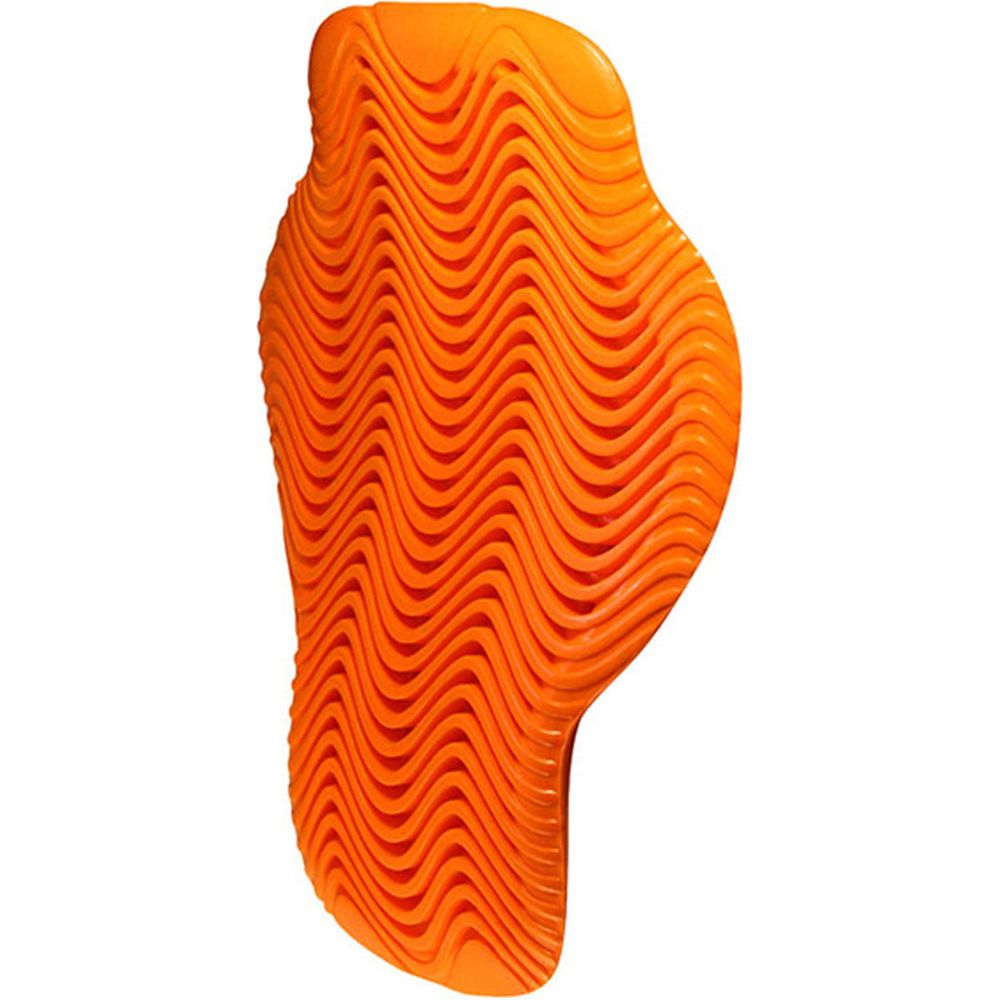
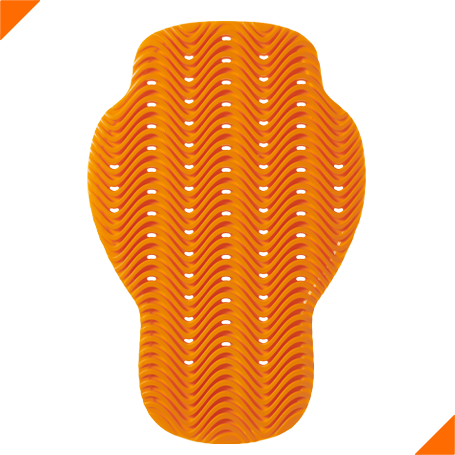
Back protectors have their own shapes and certification. For example, D3O lists the Viper Air L1 against EN 1621-2 Level 1. Read the marking on the actual protector and check its length and coverage against the garment’s approved options instead of assuming every Viper or Viper Air version is identical.
Check the fit while moving
Try the garment with the proposed armour installed, then bend your arms and knees into a normal riding position. The inserts should remain correctly located without forcing the clothing out of shape. Replacing an insert does not change the garment’s abrasion-resistance classification.
Follow the care instructions supplied for both the garment and protector. Remove inserts when required for cleaning, and inspect them for damage rather than treating armour as a permanent, maintenance-free component. Never trim a protector to make it fit.
Compare motorcycle body armour, or go directly to back protectors and knee protectors when you know the area you need to cover.
Check an armour replacement carefully
Bring the garment model and details of its existing protectors. We can help compare the listed dimensions and approved options, with comfort and secure positioning considered alongside certification.