
Armalith is a high-performance protective textile primarily used in motorcycle clothing and accessories. It is engineered to deliver high abrasion resistance while maintaining the comfort, look, and flexibility of denim. It is often marketed as “the world’s strongest denim” due to its construction and protective properties.
History and development
Armalith was developed to address a common weakness in everyday-looking motorcycle jeans - traditional denim offers limited abrasion protection in a slide. The concept behind Armalith is to integrate ultra-high-performance fibres associated with demanding industrial applications into a fabric that still looks and wears like casual denim. Over time, it has been adopted by a number of motorcycle clothing brands seeking single-layer protection solutions that reduce bulk compared with lined or reinforced alternatives.
Composition and technology
Armalith fabrics are typically built around UHMWPE (Ultra-High Molecular Weight Polyethylene) fibres combined with a cotton base. In many constructions, the high-strength fibres are integrated into the fabric structure rather than being added as a separate inner lining. This results in a single-layer denim that aims to provide protective performance without the weight and heat build-up of multi-layer jeans.
Depending on the specific Armalith variant and garment design, the fabric may also incorporate elastane (often referred to by brand names such as Lycra) to improve stretch, mobility, and comfort.
Key material components
- UHMWPE fibres - high tensile strength and strong abrasion performance for slide protection.
- Cotton - provides the familiar denim look, feel, and everyday wearability.
- Elastane - improves flexibility and comfort, particularly in riding positions.
Protective performance
The main goal of Armalith is to increase abrasion resistance while keeping jeans lightweight and wearable. Because the reinforcing fibres are integrated into the denim itself, Armalith garments are commonly positioned as an alternative to “lined” riding jeans (for example, those using aramid/Kevlar-style panels behind the denim).
In practical terms, this approach can deliver a lighter, less bulky garment with fewer heat traps, while still targeting strong slide resistance for road riding. Exact performance varies by Armalith fabric grade and by how the garment is constructed (stitching, seam strength, fit, and armour placement all matter).
Applications in motorcycle clothing
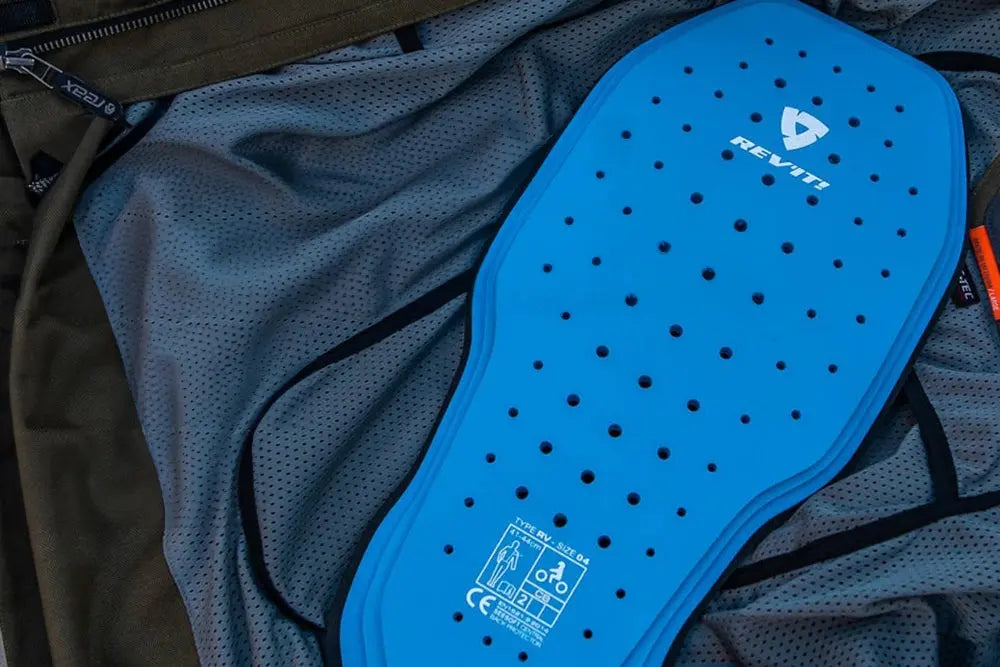
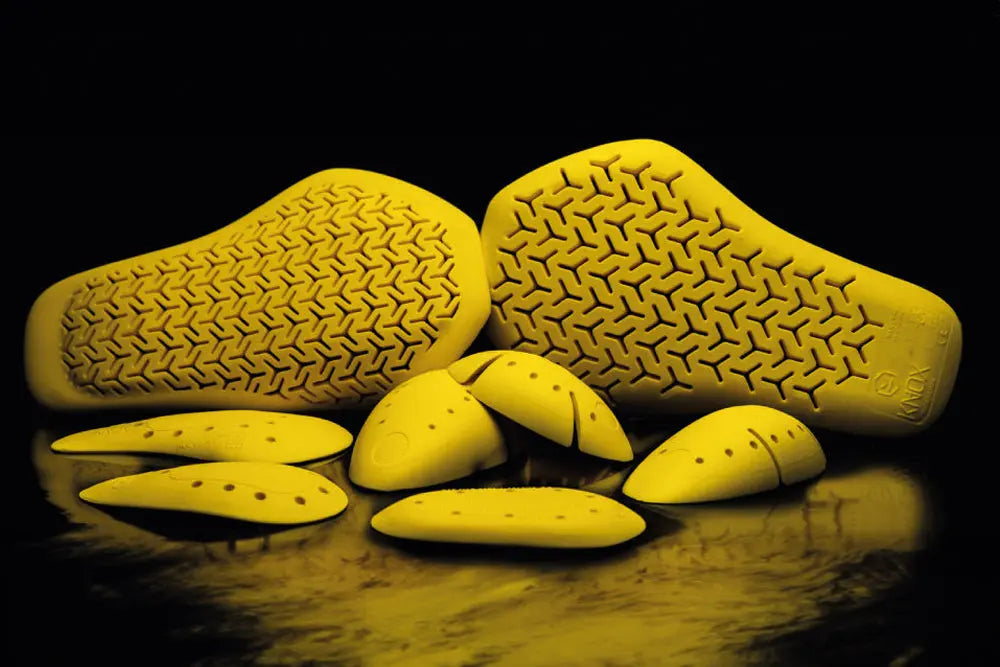
Armalith is most commonly used in motorcycle jeans and other denim-style riding trousers, where riders want a casual appearance with meaningful abrasion protection. It is typically paired with CE-approved impact protectors at the knees and hips (depending on the product).
Motorcycle brands known to use Armalith
- Rebelhorn - uses Armalith in selected riding jeans and denim trousers.
- Triumph - has offered Armalith-based rider jeans within its apparel ranges.
- Held - uses Armalith in certain motorcycle denim jeans models (availability varies by season).
As with many technical textiles, brand adoption can change over time, and some manufacturers may use different naming conventions for UHMWPE-based denims. If you are building an internal knowledge system, it can be useful to link out to each brand’s current product pages for the most up-to-date fabric claims.
Advantages and rider benefits
- Single-layer construction - reduced bulk compared with lined or panel-reinforced jeans.
- Comfort - denim-like hand feel, with many garments offering stretch for all-day wear.
- Breathability - often cooler than jeans that rely on inner protective liners.
- Everyday styling - designed to look like normal denim while adding protective performance.
Comparison with other reinforced denim
Armalith is often compared with other protective denims, including aramid/Kevlar-reinforced jeans and UHMWPE-based alternatives such as Dyneema-blend denims. The key difference is typically in how the protective fibres are integrated into the fabric (fully woven into the denim versus added as a lining or reinforcement panels), which affects weight, warmth, and “normal jeans” comfort.
When comparing options, riders should consider the garment’s certification (where provided), armour coverage, seam construction, and fit, as these factors can be as important as the base fabric in a real-world crash.
Care and maintenance
Care instructions vary by manufacturer, but most Armalith-based garments should be washed according to the label to preserve stretch fibres, stitching, and any water-repellent finishes. As with all motorcycle kit, repeated heavy wear, abrasion, or impact can reduce performance over time, so inspection of seams, panels, and armour pockets is recommended.