Touring motorcycle gear is selected for riders who spend longer in the saddle and need equipment that works across changing temperatures, roads and journey lengths. This collection brings together helmets, jackets, trousers, gloves, boots, base layers, waterproofs and useful travel accessories for day trips, commuting and multi-day rides.
No single setup covers every climate. Touring kit works best as a system: choose the protective outer equipment first, understand how its ventilation and weather layers operate, then add insulation or rain protection to suit the forecast and your route.


Plan touring kit as a complete system
Helmet and vision
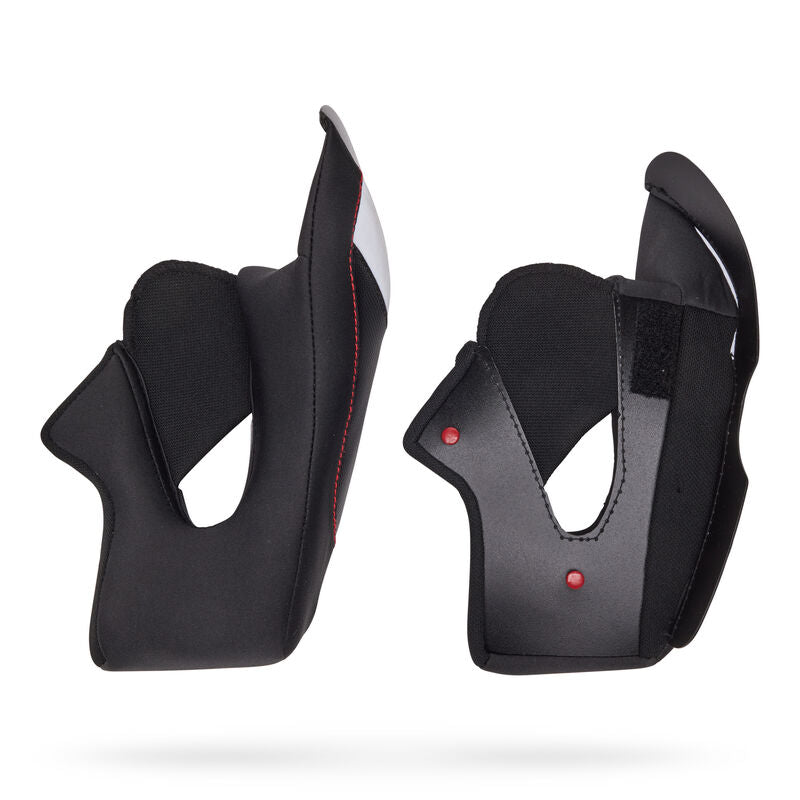
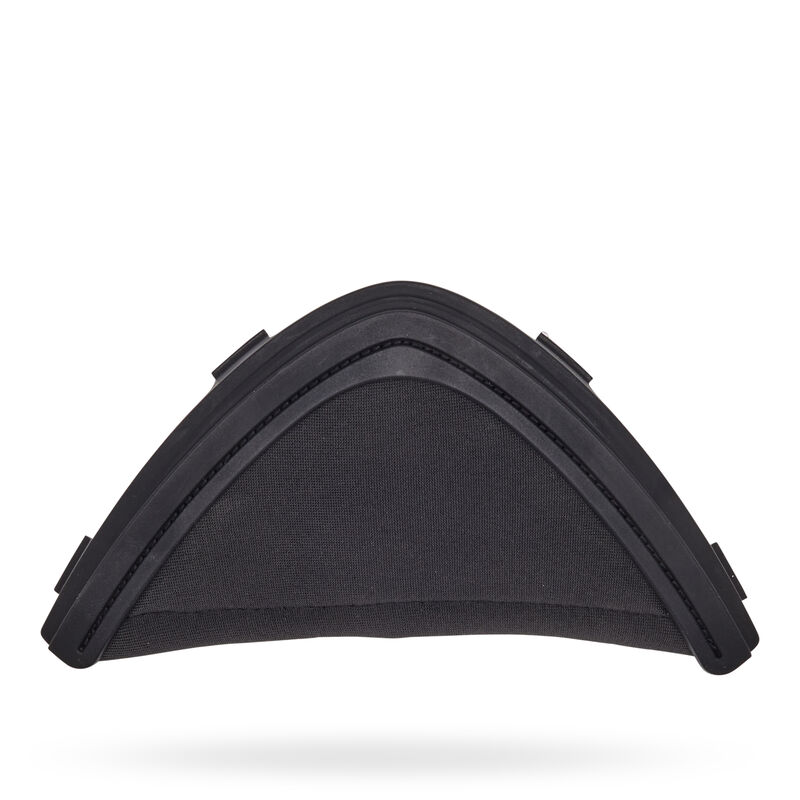
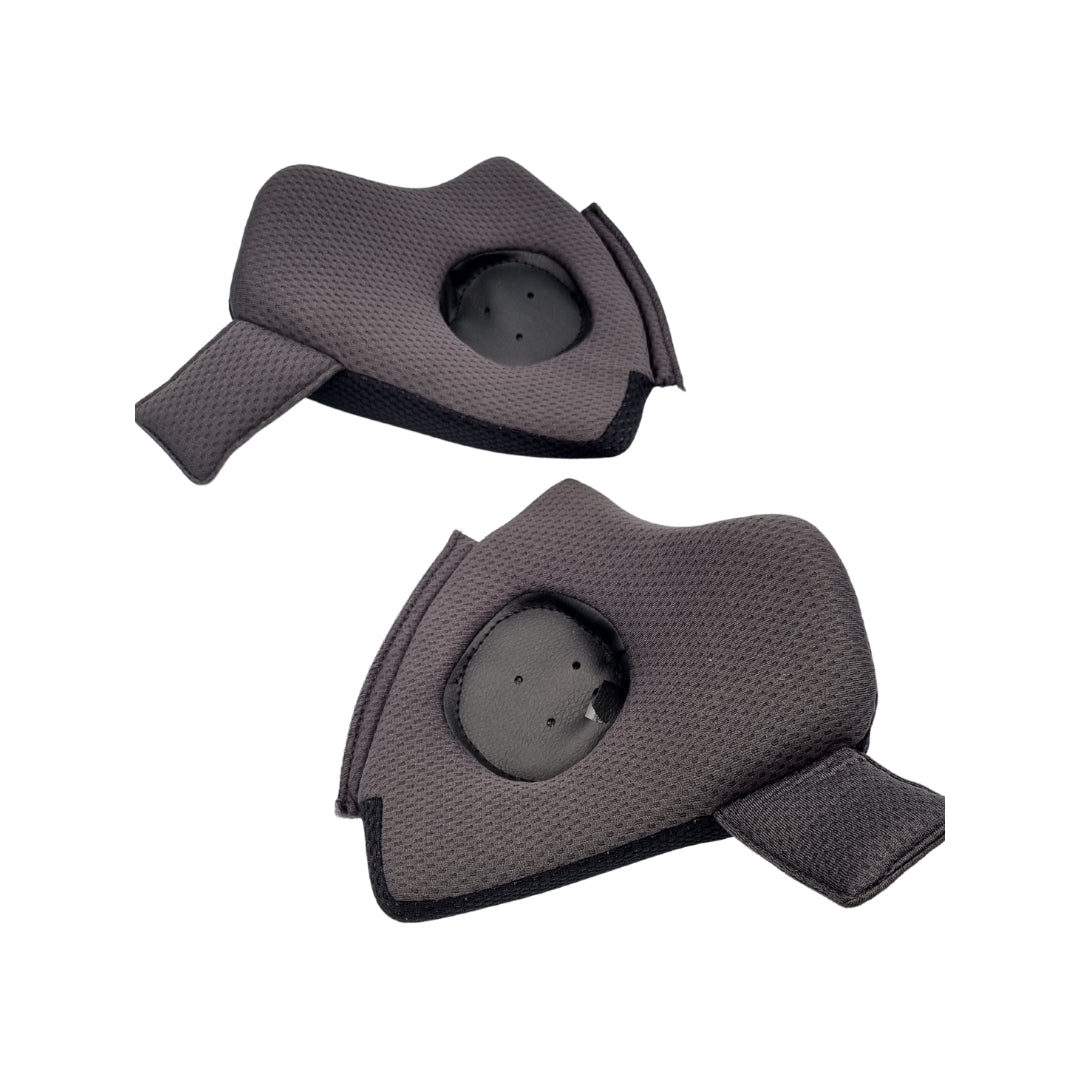
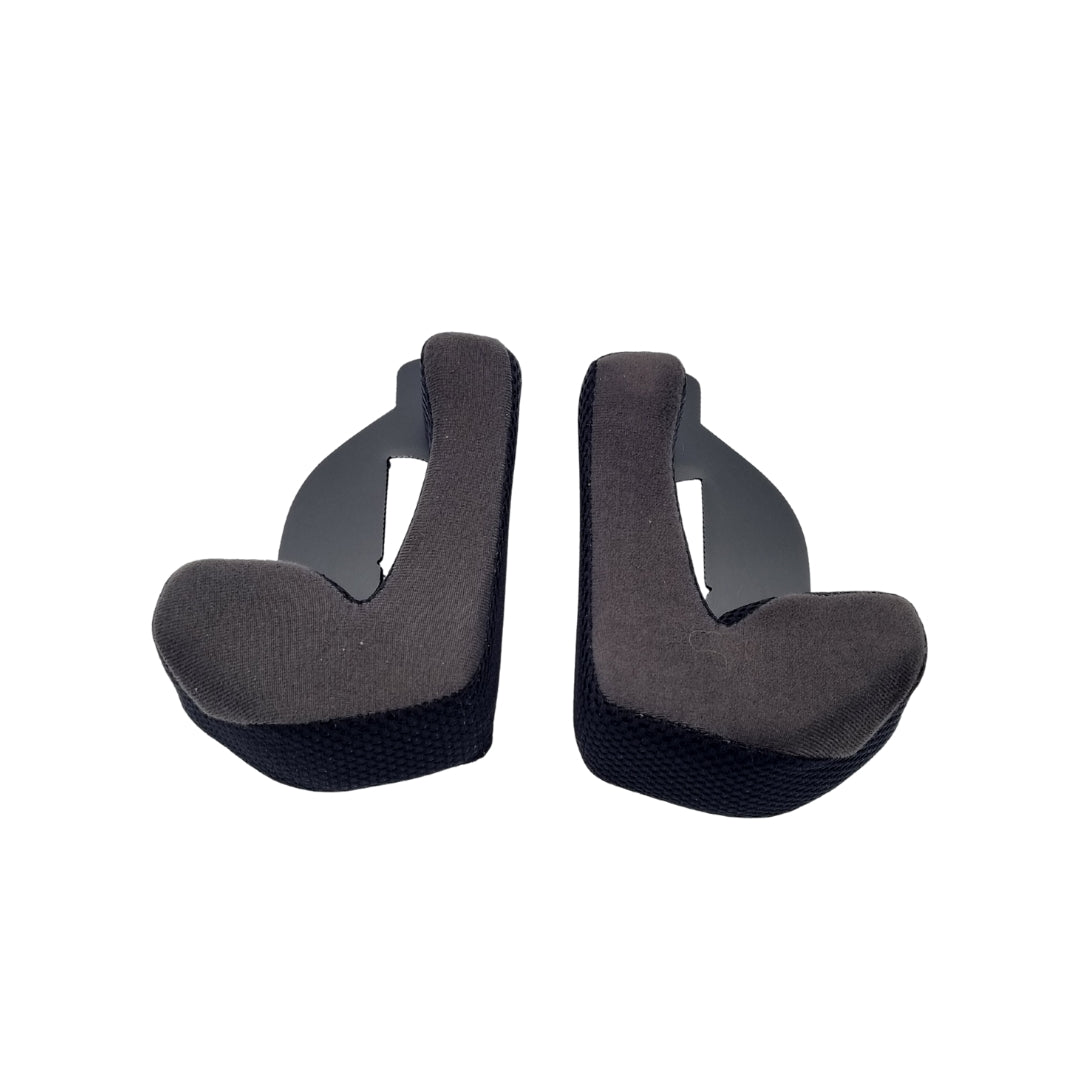
Prioritise secure, even fit and the correct road approval. For long days, compare visor aperture, ventilation, sun-shield arrangement, glasses compatibility and anti-fog provision. Communication preparation is model-specific, and a helmet recess does not necessarily include an intercom.
Jacket and trousers
Check the certified class, supplied armour, adjustment points and connection zip on each garment. A laminated waterproof outer, fixed membrane and removable drop liner behave differently in sustained rain and drying, so identify the exact construction before choosing.
Gloves and boots
Touring gloves need a secure wrist closure and a cuff that works with the jacket. Boots should hold the heel, cover the ankle and remain comfortable when walking. Waterproof claims, insulation and ventilation all vary between summer, mid-season and winter models.
Layers and rainwear
Wicking base layers manage next-to-skin comfort, while insulating layers add warmth without forcing the outer garment tight. A separate rain over-suit can be useful even with some waterproof kit, but it is not protective motorcycle clothing unless explicitly certified as such.
Waterproof wording matters. A product described as water-resistant or treated with a durable water-repellent finish is not automatically waterproof. Check the membrane, closure design and care instructions for the exact item, and remember that gloves, cuffs, boots and jacket-to-trouser overlap affect the whole system.
Choose for distance, weather and luggage
For summer touring, controlled ventilation and room for a thin base layer can matter more than a removable thermal liner. In colder conditions, make sure added layers do not push protectors away from their intended position or restrict reach to the controls. Adjustable collars, cuffs and hems help close gaps, but their range differs between products.
Think about what the motorcycle is carrying too. Jacket pockets are convenient for small items, while purpose-built motorcycle luggage is better for tools, spare layers and travel essentials. Keep hard or sharp objects out of garment pockets positioned where they could cause injury in a fall.
Fit checks before a long ride
Try the full outfit in your normal riding position, including the gloves and boots. Sleeves should continue to meet the glove cuffs when your arms are extended, trousers should cover the boot opening, and knee armour should settle over the kneecap when seated. Check that the jacket does not ride up and that a connecting zip, if used, is compatible.
A helmet can feel different after twenty minutes than it does after one minute. SHARP's fitting guidance recommends an evenly snug fit without painful pressure points, with the chin strap secured and the helmet resisting movement. Always use the relevant manufacturer chart as a starting point rather than treating the same nominal size as identical across brands.
Why shop touring motorcycle gear at Moto Central?
Moto Central's broad range makes it possible to compare touring equipment from multiple manufacturers by protection, fit, weather construction and price. Product-specific information helps you distinguish an included liner from an optional accessory, a waterproof membrane from a water-resistant finish, and a ready-made communication system from simple helmet preparation.
Build your setup around a correctly fitting motorcycle helmet and certified outer garments, then add gloves, boots, layers and luggage for the conditions you actually expect. Riders adding route guidance or communication can also compare motorcycle GPS systems and motorcycle intercoms.
Customer questions
Do I need waterproof touring clothing?
That depends on your journeys and forecast. Waterproof kit is useful for frequent or long-distance rain, while ventilated clothing plus a separate over-suit can offer more flexibility in hot conditions. Check the exact product construction.
Is laminated motorcycle clothing always better?
No. Laminated shells can absorb less surface water and dry more quickly, while drop-liner systems may offer different comfort and value. Fit, protection, ventilation and intended conditions remain equally important.
Should I size up for winter layers?
Only if the manufacturer's fit and size guidance supports it. Excess room can let armour move, while too many layers can restrict movement. Try the intended combination together where possible.
Can I rely on a helmet sun visor instead of carrying a clear visor?
Use only approved eye protection and follow the helmet manufacturer's instructions. Light conditions change quickly, so make sure your legal, clear-vision option is available when needed.