Ride Approved Motorcycle Clothing brings together jackets, trousers, rain layers and base layers that carry a RiDE Magazine testing tag in Moto Central's catalogue. It is an editorially focused shortlist rather than one type of garment, so the products must still be compared by protection, weather performance, fit and intended season.
RiDE explains that Best Buy and Recommended triangles represent different combinations of test performance and value. A Best Buy result recognises a product that excelled in its comparison while offering exceptional value, while Recommended can reflect strong performance at a higher price or acceptable performance at a much lower price. Neither marker means every garment has the same certification or features.


What the RiDE tag means
The tag records editorial recognition for a model in a particular test, at a particular price and against the alternatives available then. It is a useful starting point, but the original article remains the source for the test conditions, score and limitations. Product specifications and prices can change after publication.
Several colourways or matching pieces may be tagged in this collection. That does not mean every colour was tested separately, and a later garment with a similar name should not automatically inherit an older result. Compare the exact version currently listed by Moto Central.
Not every item here is protective outerwear
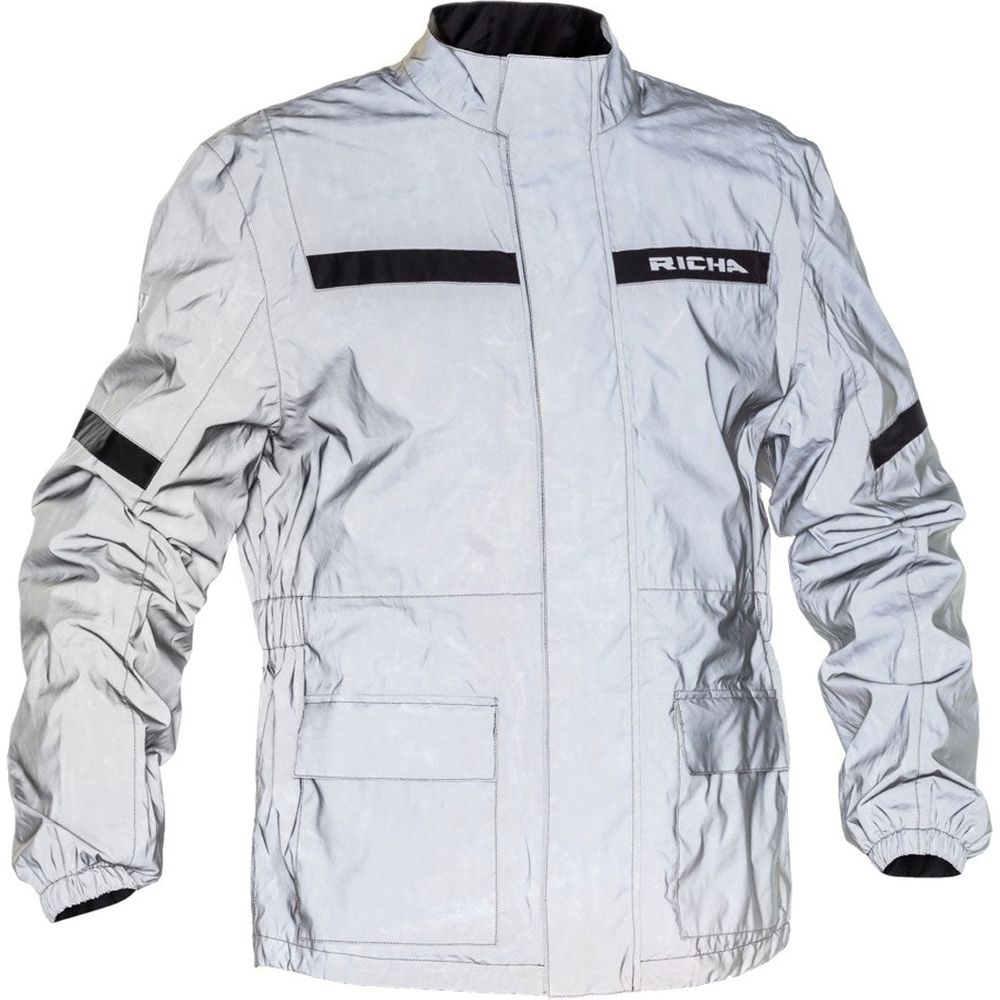
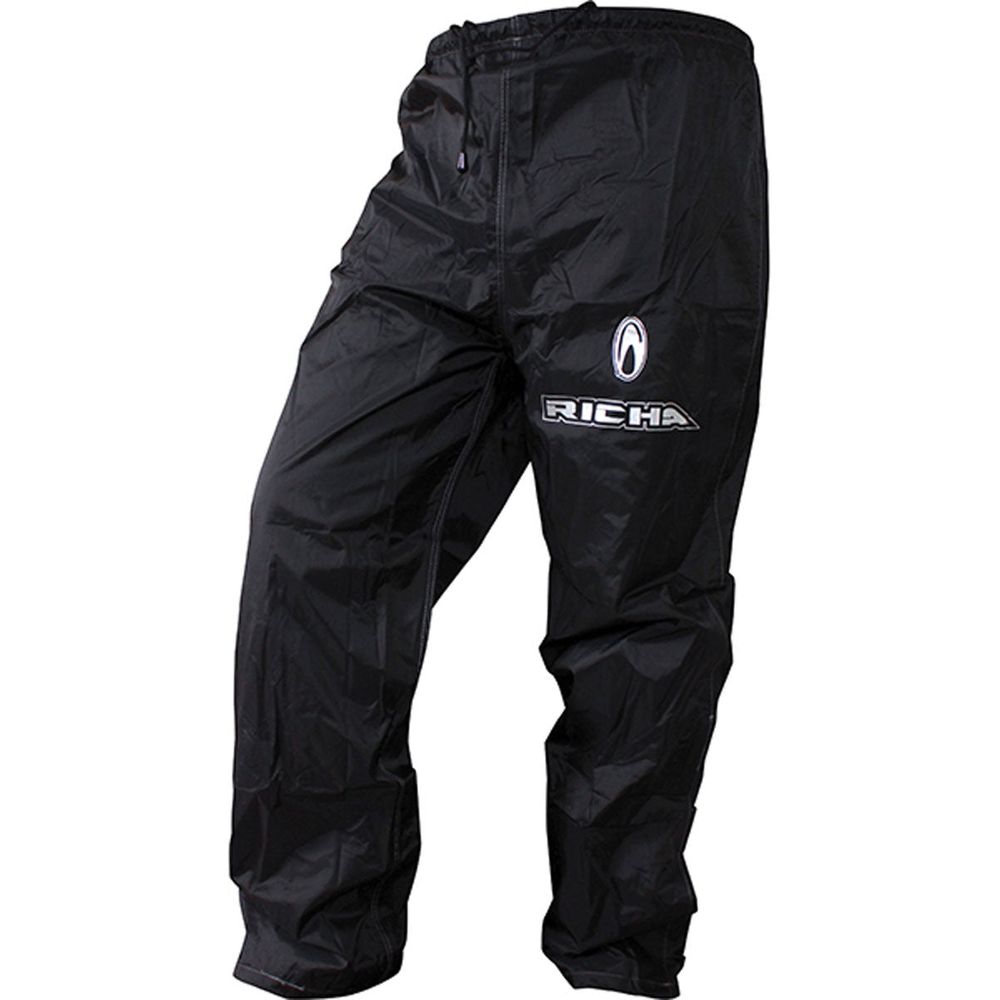
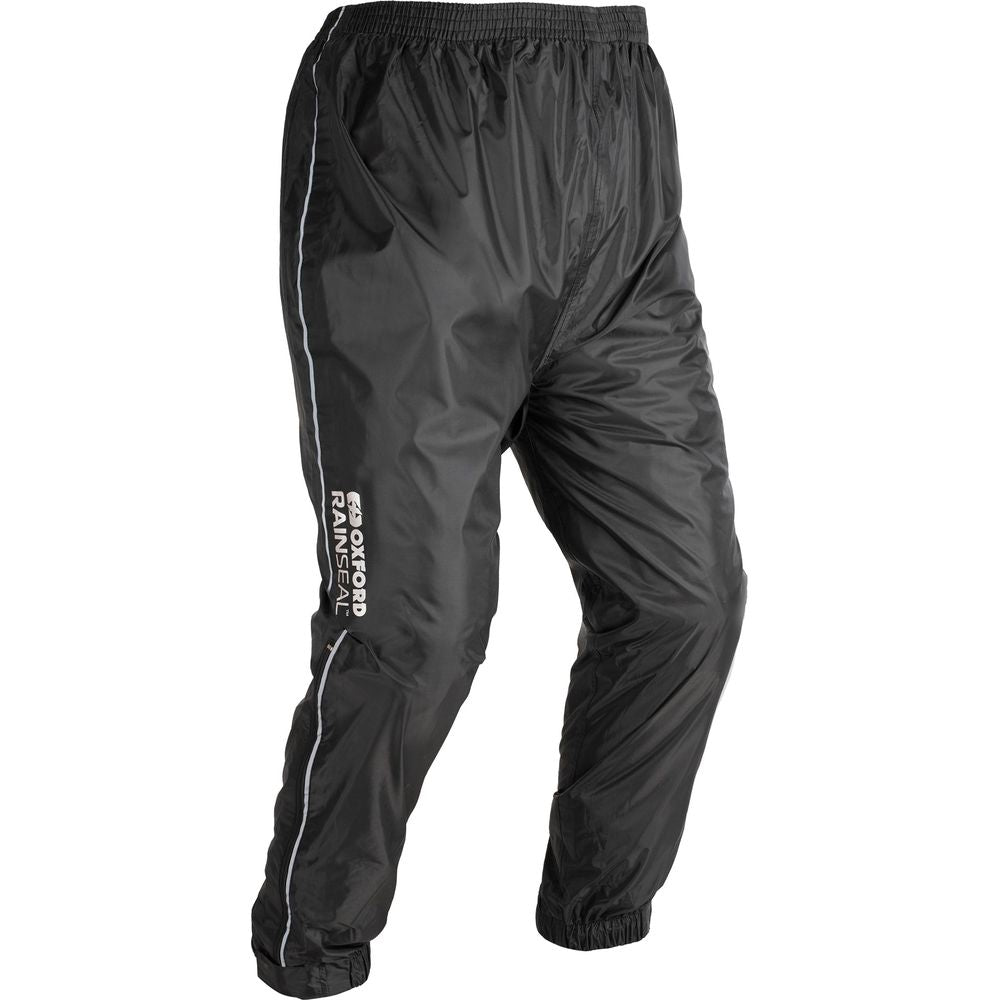
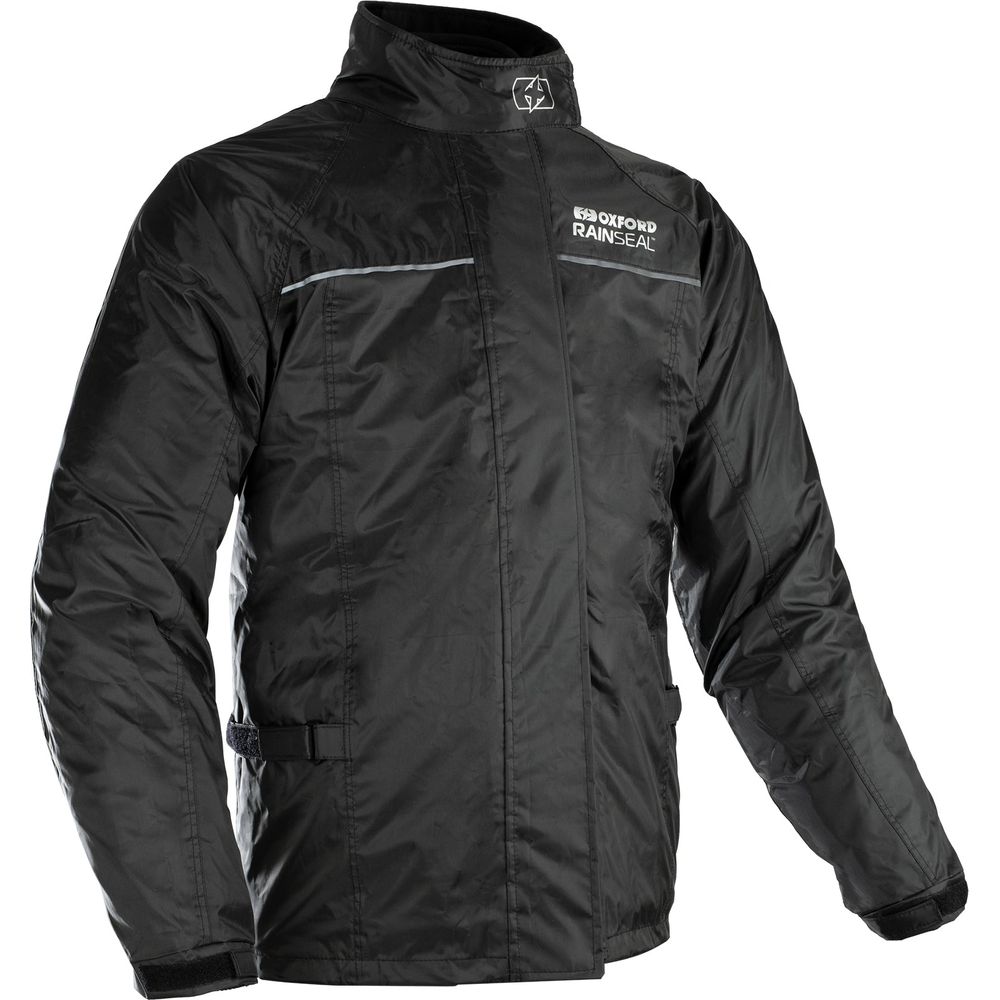
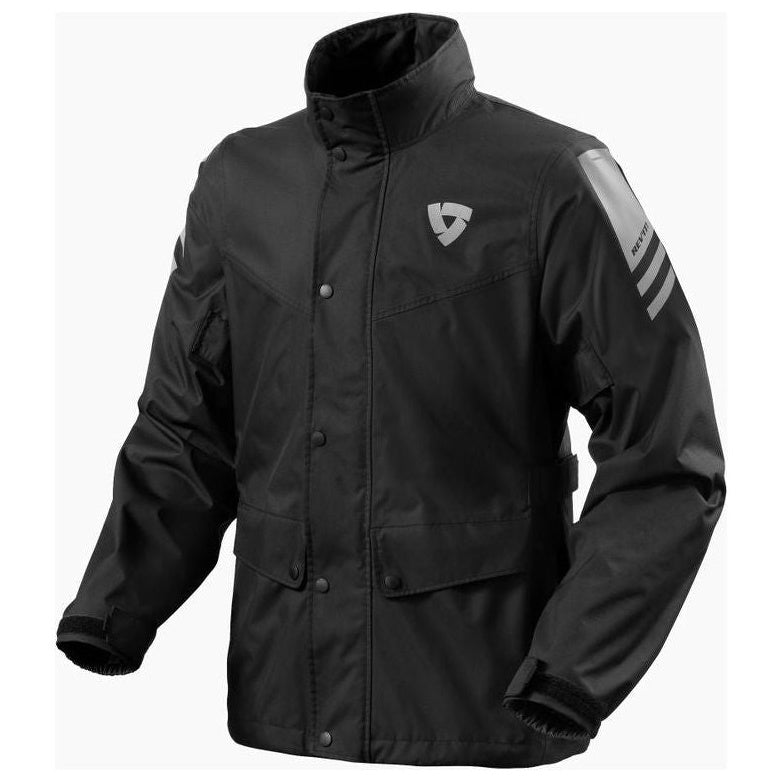
This collection includes CE-labelled jackets and trousers, but it also contains rain oversuits, over-jackets, over-trousers and a thermal base layer. Those weather or comfort layers are designed to be worn with appropriate protective motorcycle clothing and should not be treated as abrasion or impact protection unless their own label states a relevant certification.
Clothing types in the collection
Textile jackets
Adventure and road-touring textile jackets combine abrasion-resistant outer materials with model-specific armour, ventilation and weather systems. Some use removable waterproof or thermal layers, while others use fixed or laminated construction. Check what is supplied.
Textile trousers
Matching trousers can create a coordinated suit and may connect to the jacket, but zip length and compatibility vary by brand and generation. Check leg length, waist adjustment, knee-armour position and how the trouser overlaps the boot.
Mesh and ventilated garments
Products such as Oxford Dakar Dry2Dry Air focus on airflow while providing a separate weather solution. RiDE's 2025 test considered it a strong alternative to conventional textiles, but the supplied liner, venting and certification must still be checked on the exact listing.
Leather jackets
Merlin Alton 2, Richa Charleston and Spada Hanzo represent different road and retro leather styles. Leather thickness, armour, fit, connection options and certification are model-specific, and a casual appearance does not remove the need for correct protective fit.
Rain layers
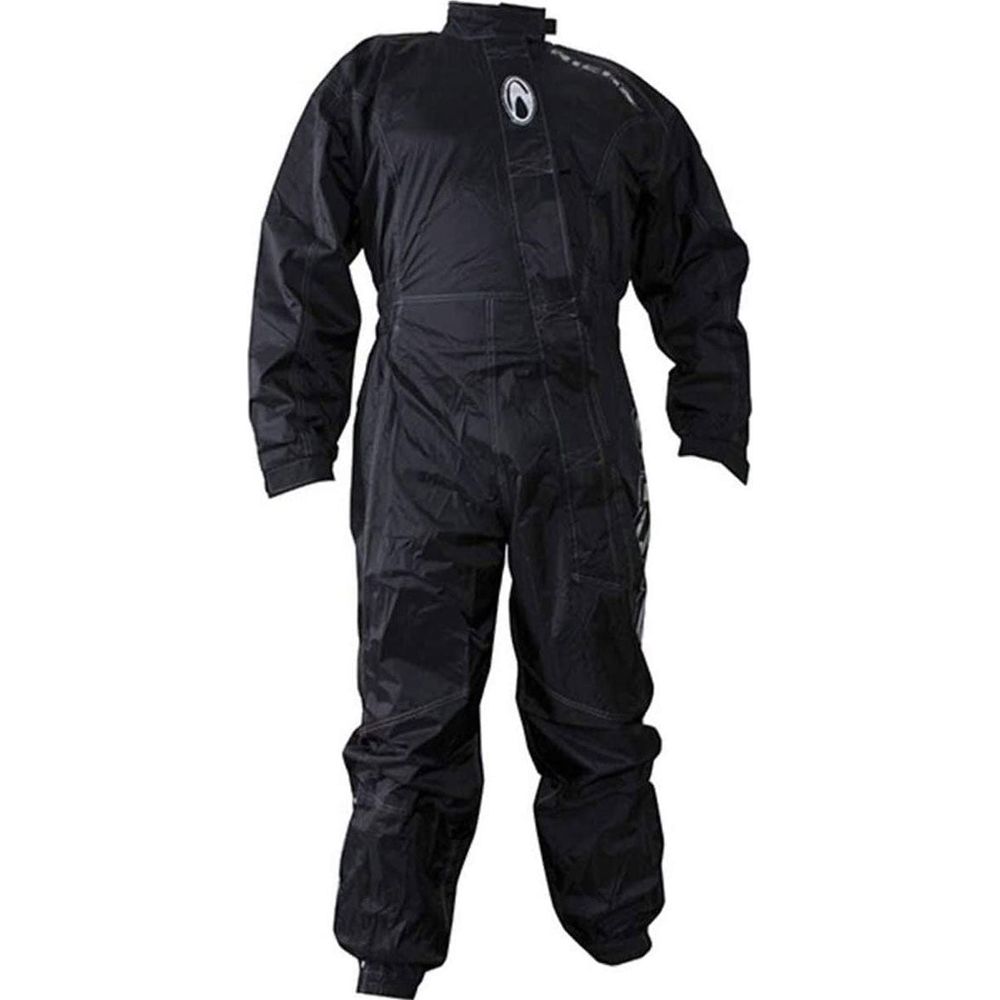
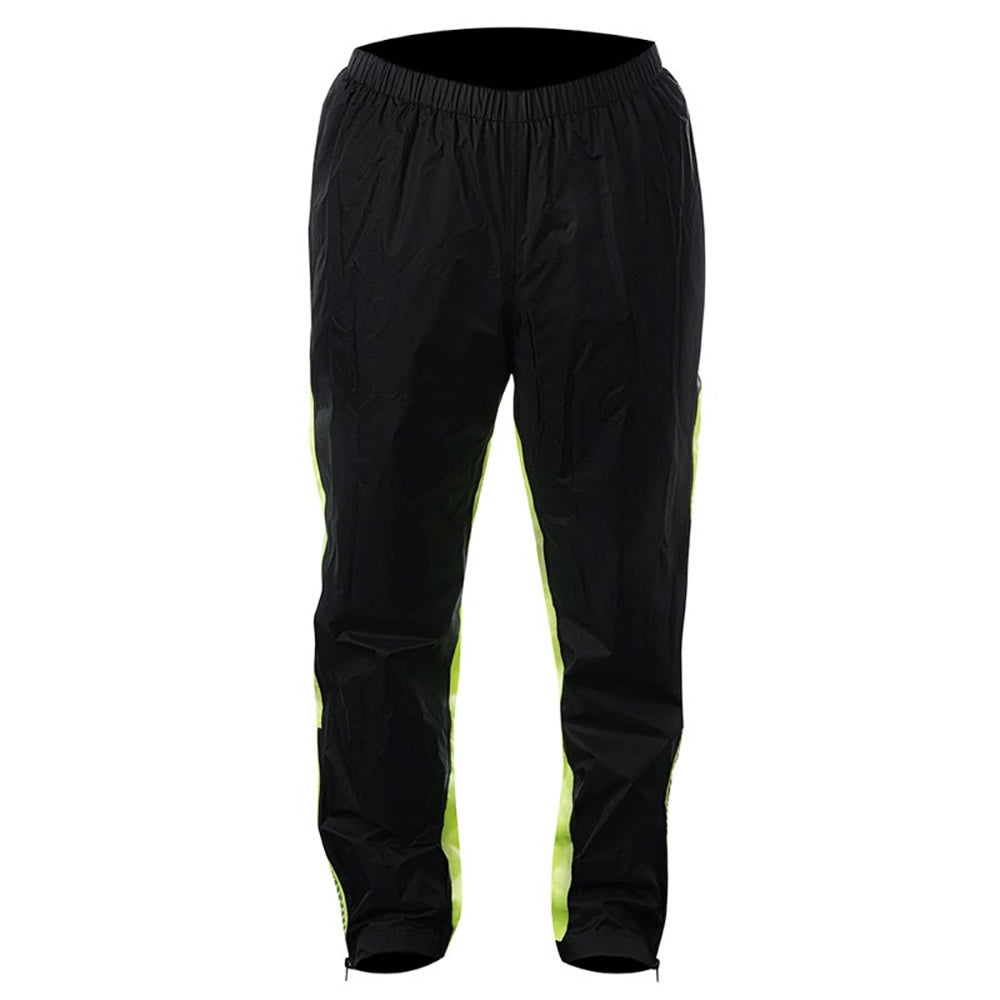
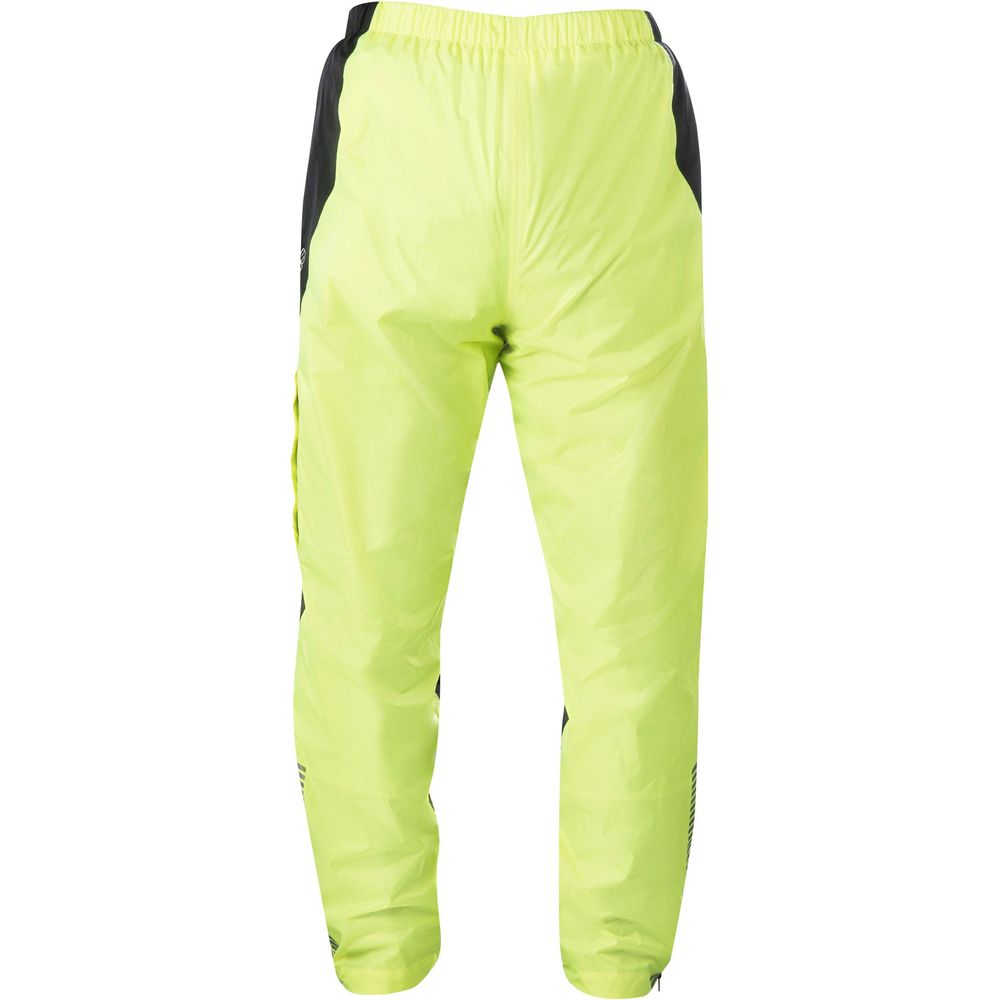
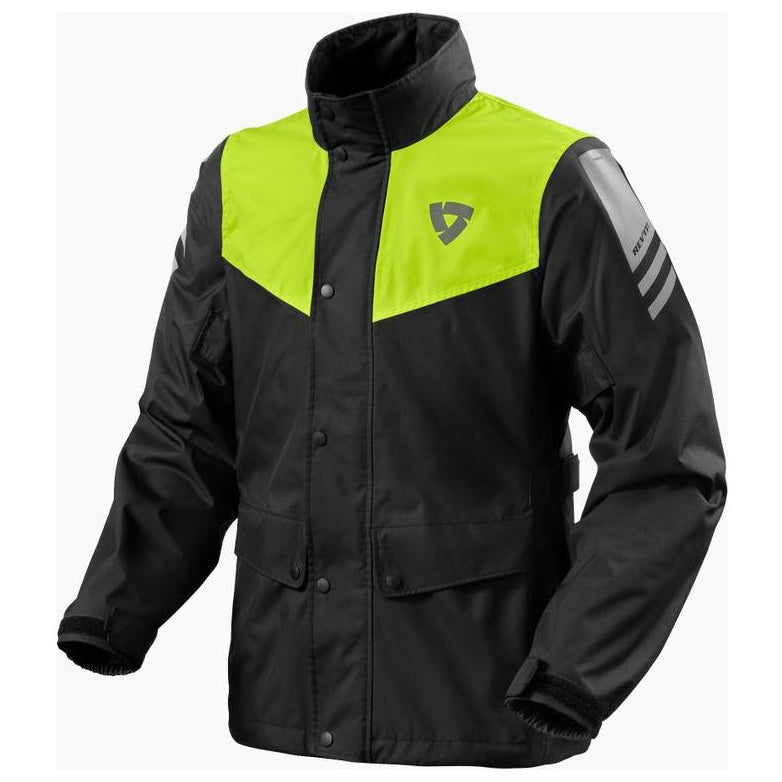
One-piece oversuits, over-jackets and over-trousers add a barrier over normal riding kit. Allow enough room for the layers underneath without excess fabric that can flap, and check entry zips, cuffs, neck sealing and boot clearance.
Base layers
A wind-block or thermal base layer manages comfort beneath protective clothing. It is not a substitute for an approved jacket. Choose a close fit that does not bunch beneath armour or restrict movement.
Understanding clothing certification
Protective motorcycle jackets and trousers can be certified as garments under EN 17092, with classes including AAA, AA and A. The class belongs to the complete garment as tested. Separate impact protectors can carry EN 1621 markings, and their level is different information from the garment's abrasion class.
Do not infer the same rating from a brand, collection tag or the letters CE in a title. Check the label and product specification for the exact item, including which shoulder, elbow, hip, knee or back protectors are supplied and which are optional.
Rainwear and base layers may have no protective garment class because their function is weather or temperature management. They should be worn over or beneath suitable protective motorcycle clothing as intended.
Fit on and off the motorcycle
Try outerwear in riding position. Reach forward, bend the elbows and knees, and check that armour stays centred over the joints. The jacket hem should work with the trouser waist, while sleeves and trouser legs need to overlap gloves and boots without exposing skin.
Adjustment straps can refine fit but cannot compensate for the wrong base size. Excess room may let armour move away from the impact area, while a garment that is too tight can restrict movement, compress insulation and make layering difficult.
For an oversuit, try it over the exact jacket and trousers you intend to wear. A one-piece rain layer needs enough movement at the shoulders, knees and seat while remaining controlled in the airflow.
Weather systems and seasonal use
Waterproof, breathable, ventilated and insulated describe separate functions. A mesh jacket can move substantial air but may rely on a removable waterproof layer when conditions change. A warm textile suit can be comfortable in winter yet less suitable for hot summer traffic.
Removable membranes can be worn inside the garment or, on some systems, over the outside. Laminated construction behaves differently in prolonged rain. Read the specific product description and practise fitting removable layers before a trip.
Rain over-layers are useful for adding weather protection to existing kit, but they do not repair a leaking membrane underneath. Inspect zips, seams and closures, and replace damaged rainwear before relying on it for a long journey.
Creating a matched jacket and trouser setup
A matching name and colour do not automatically guarantee the same size, generation or connection zip. Confirm the jacket and trouser are intended to connect, that the zip halves match and that the armour remains correctly positioned after they are joined.
A short connection zip can help reduce separation, while a longer zip can provide broader attachment. Use only the arrangement supplied or approved by the manufacturer, and do not alter structural seams or protective panels to make unrelated items connect.
Care and maintenance
Follow the label for the exact material. Textile membranes, removable armour, leather, reflective panels and rainwear can require different methods. Remove protectors only where instructed and refit them in the correct orientation after the garment is completely dry.
Leather normally requires products suitable for its finish, while technical textiles should not be treated with ordinary fabric softener. Avoid direct heat when drying. Inspect seams, zips, hook-and-loop fasteners, connection zips and armour pockets regularly.
Why buy RiDE-tested clothing from Moto Central?
Moto Central lets you compare the editorial shortlist with the information that matters for your own riding: garment class, included armour, weather construction, ventilation, layering, fit and current price. At our Hinckley showroom you can try jackets and trousers together in riding position and check that protectors remain correctly located.
For a wider selection, browse all motorcycle clothing, including motorcycle jackets and motorcycle trousers.
RiDE-tested clothing: customer questions
Is every item protective motorcycle clothing?
No. The collection also includes rain over-layers and base layers. Check the individual item's function and certification, and wear it with appropriate protective kit.
Does a RiDE recommendation guarantee waterproofing?
No. The result depends on the tested model and conditions. Read the original test and current product specification rather than applying one claim to the whole collection.
Are matching jackets and trousers always compatible?
No. Check the exact family, generation and connecting zip. Similar names or colours do not guarantee that the zip halves match.
What do AAA, AA and A mean?
They are protective garment classes under EN 17092. They are separate from the EN 1621 level shown on an individual impact protector.
Should I size up for layers?
Choose a size that accommodates the layers you will genuinely wear while keeping armour correctly positioned. Do not add so much room that the garment or protectors can move excessively.