Motorcycle helmet spares and accessories at Moto Central cover replacement visors, Pinlock inserts, centre pads, cheek pads, vents, spoilers, breath guards, chin curtains, covers, fixings and other model-specific components. Most parts are not universal, even when two helmets come from the same manufacturer.
The safest way to shop is to identify the helmet brand, exact model, generation, shell size and the part reference already fitted. A visor profile, mounting plate or liner can look nearly identical to another version while using different pivots, press studs or dimensions.


Find the correct helmet part
1. Identify the helmet
Check the label beneath the comfort liner, the approval label, original box or handbook for the exact model and size. A family name alone may cover several generations.
2. Read the component code
Visors and Pinlock inserts often have a moulded or printed reference. Padding, mechanisms and vents may also carry a part number on the reverse.
3. Check shell and size allocation
Some interiors and visor parts change across helmet shell sizes. Select the listed pad size or visor size band rather than assuming one component covers the whole model range.
4. Compare every listed model
Use the compatibility wording on the product page. If your helmet model or generation is absent, treat the part as incompatible until confirmed.
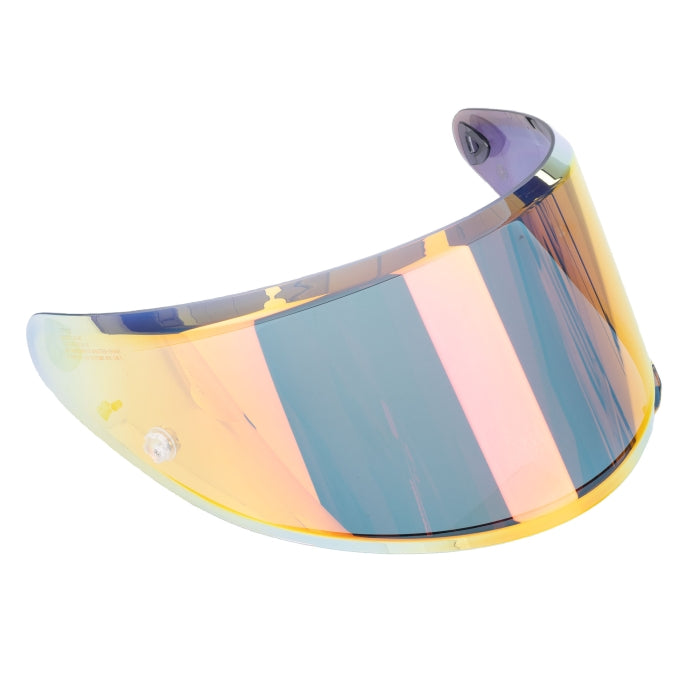
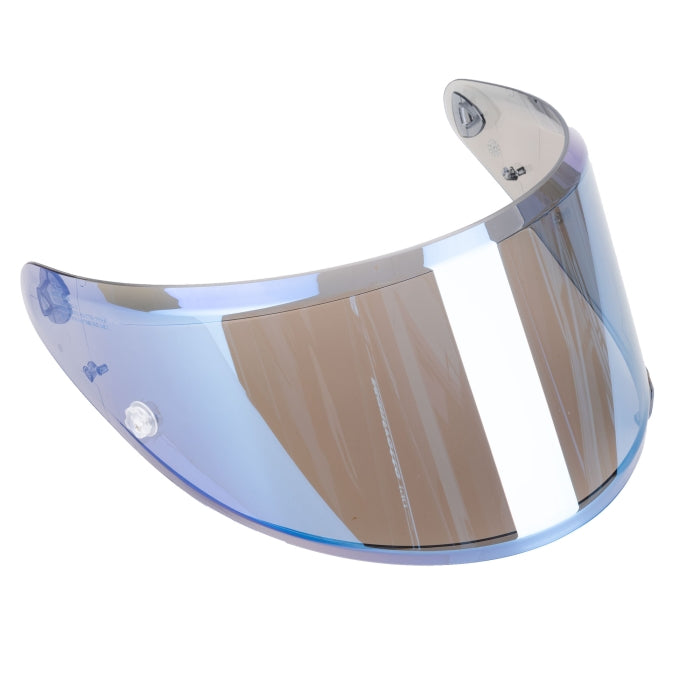
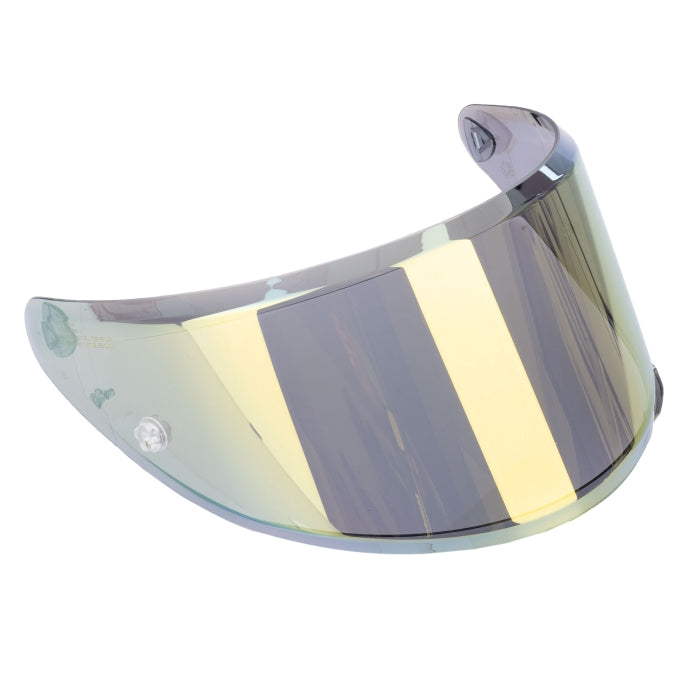
Replacement motorcycle helmet visors
Visors are normally identified by a visor family or manufacturer code rather than helmet size alone. The Arai VAS-V system, Shoei CNS-1C, HJC HJ-34P and AGV GT6 are different interfaces, and similarly named helmets may use different shields after a model update.
Check the pivot shape, Pinlock preparation, size band and listed helmet models. Where tear-off posts, brow vents or a Max Vision recess are required, make sure they are part of the chosen visor specification. Browse compatible options through the relevant Arai, Shoei or HJC range.
Clear, tinted and mirrored visor use
For UK road use, a visor must meet an accepted safety standard and carry the appropriate marking. Government guidance states that visors transmitting less than 50% of visible light do not fully comply with the relevant standards and cannot legally be used on the road. A visor marked for daytime use should only be used in daylight.
Choose the visor for the conditions and keep a compliant clear option available when light may fall. Replace a visor that is badly scratched, cracked, distorted or no longer closes securely. Fine scratches can scatter headlight glare even when the visor still looks serviceable indoors.
Pinlock inserts and visor codes
A Pinlock insert must match the prepared visor, pin layout and insert code. DKS numbers are useful identifiers, but colour and performance level also need checking. A DKS295 insert for an HJC XD-16 visor is not interchangeable with a different DKS reference simply because both are labelled Pinlock 70.
Pinlock explains that its insert uses a moisture-absorbing surface and an airtight seal to create a thermal barrier against condensation. MaxVision inserts sit within a visor recess to maximise the usable field. Install, tension and clean the insert according to the current Pinlock and helmet-manufacturer instructions.
Centre pads, cheek pads and helmet fit
Replacement padding can refresh an interior or adjust fit within the combinations approved by the manufacturer. Shoei, for example, supplies centre pads in model-specific families and thicknesses. The original pad code is normally printed on its reverse, and alternative thicknesses only interchange within the stated shell allocation.
Changing a pad should not be used to rescue a fundamentally wrong helmet size or head shape. The helmet still needs even contact around the head, secure cheek support and no pressure point that becomes painful. Our motorcycle helmet sizing guide explains the initial sizing process, while the helmet head-shape video covers why two helmets with the same size label can feel different.
Vents, spoilers, mechanisms and small fixings
External vents, rear stabilisers, spoilers, side plates and base plates are usually specific to one helmet model or generation. Some also vary by helmet colour, shell size or left and right side. Compare the product photography, fixing pattern and manufacturer reference before removing the old component.
Use the helmet manual for removal and installation. Do not drill the shell, enlarge holes, substitute generic screws or apply an adhesive unless the helmet manufacturer specifically approves the method and material. Incorrect work can damage the shell or prevent the visor and ventilation systems from operating correctly.
Breath guards, chin curtains and covers
A breath guard can direct exhaled air away from the visor, while a chin curtain may reduce airflow around the lower opening. Neither replaces a correctly fitted anti-fog insert or functioning ventilation system. Covers and bags help protect the shell and visor during transport or storage, but the helmet should be dry before it is put away.
Repair the component or replace the helmet?
Normal service items such as a worn visor, washable comfort liner or detachable vent may be replaceable when the helmet shell and impact liner remain sound. After a serious impact, official UK guidance is to replace the helmet because internal damage may not be visible.
Also stop using the helmet if the retention system, shell or impact liner is damaged, or if a replacement component cannot be fitted exactly as intended. A cosmetic spare should never be used to hide structural damage.
Why buy helmet spares from Moto Central?
This collection brings together model-specific parts from many helmet manufacturers, with product titles and descriptions designed to state the visor code, pad family or compatible helmet models. That detail is essential in a catalogue containing several generations of visually similar components.
If you are unsure, our team can compare the helmet label, existing component and required replacement before you order. Supplying clear photographs of the helmet model label and the old part number is usually more useful than relying on colour or an approximate purchase date. If the helmet itself needs replacing, return to motorcycle helmets.
Customer questions
Are motorcycle helmet visors universal?
No. Visors use model-specific profiles, pivots and locking systems. Match the exact visor family and listed helmet models.
Can I fit a different thickness of cheek pad or centre pad?
Sometimes, but only within the combinations and shell allocation approved for that helmet. Check the original pad code and manufacturer fit chart.
How do I find the right Pinlock insert?
Identify the helmet, visor code and DKS reference. Also confirm the insert colour, performance level and pin type.
Can I use a dark visor at night?
No. Use a compliant visor suitable for the light conditions and follow any daytime-use marking. Heavy tints that transmit less than 50% of visible light are not legal for UK road use.
Should I replace a helmet after an impact?
After a serious impact, replace it. Damage to the energy-absorbing structure may not be visible from outside.