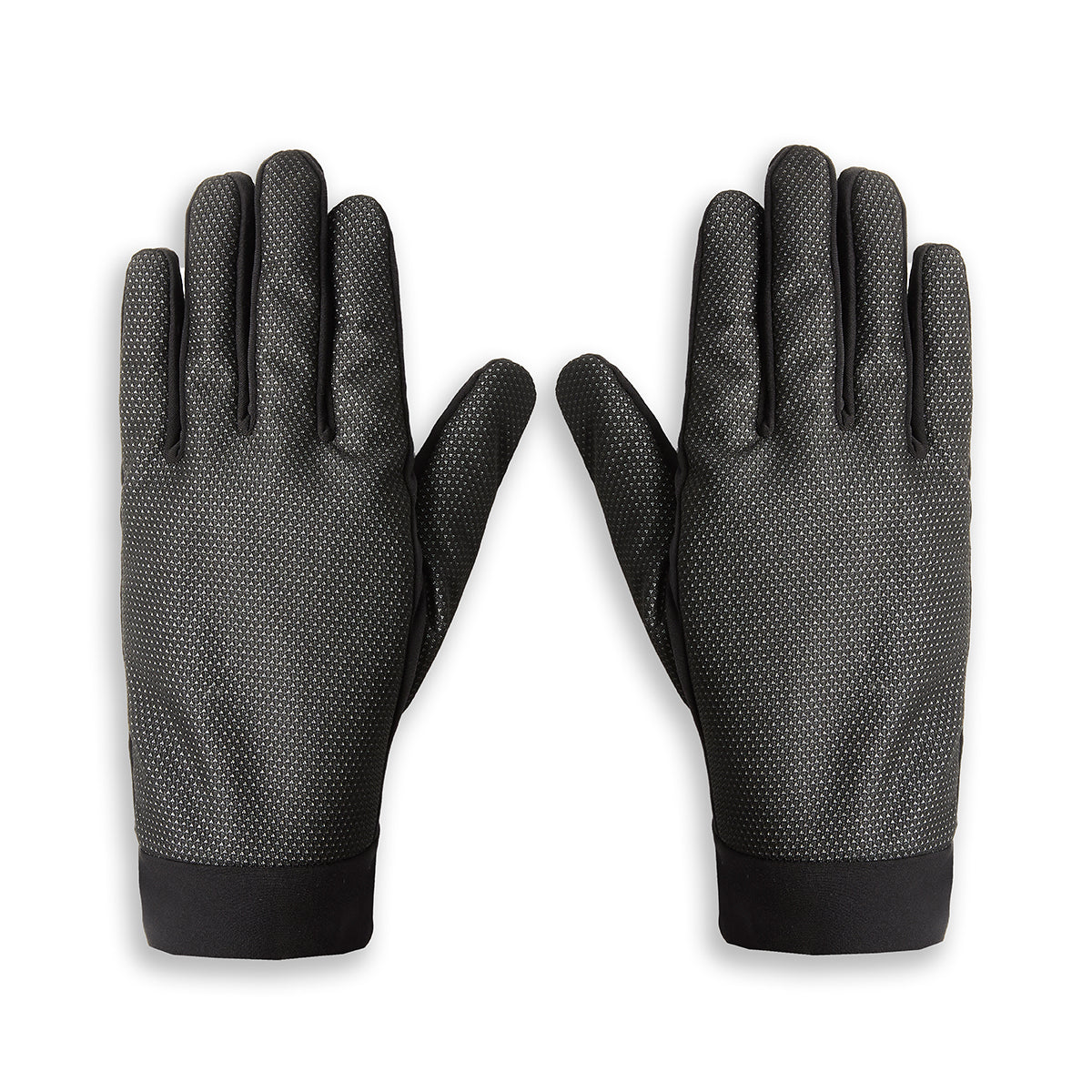
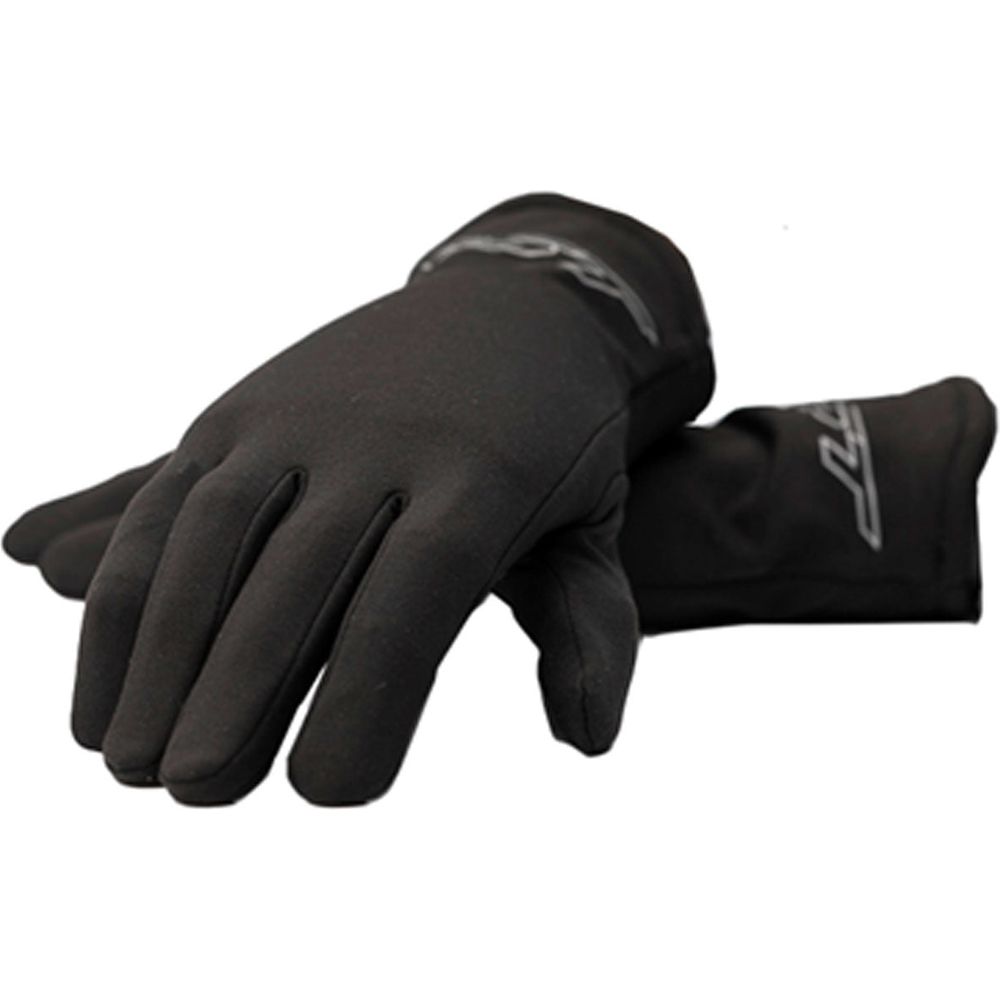
Choose motorcycle base layers around the job you need them to do, from managing moisture on warmer rides to adding warmth beneath your kit. Protective base layers offer another approach to building a riding outfit. Compare the material, fit and intended use so the first layer works with everything you wear over it.


Start with the purpose of the layer
Comfort beneath riding kit
A close-fitting top or legging can provide a comfortable first layer beneath a jacket, trousers or leathers. Compare the fabric, seams and moisture-management features, especially where cuffs and waistbands overlap. Choose a cut that stays comfortable in your riding position.
Extra warmth
For cooler journeys, compare thermal fabrics and coverage at the neck, wrists and waist. Think about the insulation already built into your outer clothing. If you need more warmth, a separate mid layer may be more practical than making the first layer excessively bulky.
Wind-blocking panels
Some base-layer designs add wind-resistant areas. Check where those panels sit and how they work with your outer garment. Wind resistance, insulation and waterproofing are different features, so choose according to the conditions you regularly ride in.
Protective undergarments
Some base layers are designed as part of a protective riding outfit, with their own garment certification and armour. Read the exact specification to establish their role. A fitted appearance or a protector pocket alone does not identify the protection offered.
Comfort layers and protective layers are different
RST's Tech X Coolmax long-sleeve top is an example of a moisture-management layer that the manufacturer identifies as non-protective wear. By contrast, Pando Moto specifies Skin UH AAA leggings with an AAA garment rating and Level 2 hip and knee armour.
These examples show why the term “base layer” is not enough to choose by. Check whether the garment is intended for comfort, impact protection or a wider protective role, and follow its instructions for use with outer clothing. Adding an ordinary thermal layer does not turn casual clothes into motorcycle protective kit.
Separate tops and bottoms or a one-piece undersuit?
Separate pieces let you choose the upper and lower fit independently and change one part of your setup as conditions change. A one-piece comfort undersuit creates a continuous layer beneath leathers. Compare ease of changing, waist overlap and the amount of fabric beneath the suit.
Try the layer under your normal riding clothes, with arms forward and knees bent. Check for folds at the elbows and knees, restriction across the shoulders and pressure where waistbands meet. If the base layer carries armour, confirm that the outer outfit does not displace it.
Plan the rest of your layers
Build the outfit around your journeys: a suitable first layer, any required insulation, and protective outer clothing with the weather arrangement you need. Browse motorcycle jackets and riding trousers with the full combination in mind.
If you use heated clothing, follow its instructions on where it sits in the layering system. Avoid simply adding thickness until the outer garment becomes tight or movement is restricted.
Check care and drying requirements
Read the washing guidance for the actual fabric and any protectors fitted. A comfort undersuit, wind-blocking top and armoured legging can require different care. For regular commuting or a longer tour, consider how easily you can wash, dry and rotate the layers you choose.
Check your layers as a complete outfit
Bring your usual riding jacket or suit to Moto Central in Wolvey when comparing base layers. Contact us about the styles and sizes you want to try so you can assess the complete fit together.